I've been fascinated by cameras and photography since I was a kid, and that interest has merged with my tinkering tendencies in recent years, resulting in some fun experimental photography.
thermal receipt printer camera
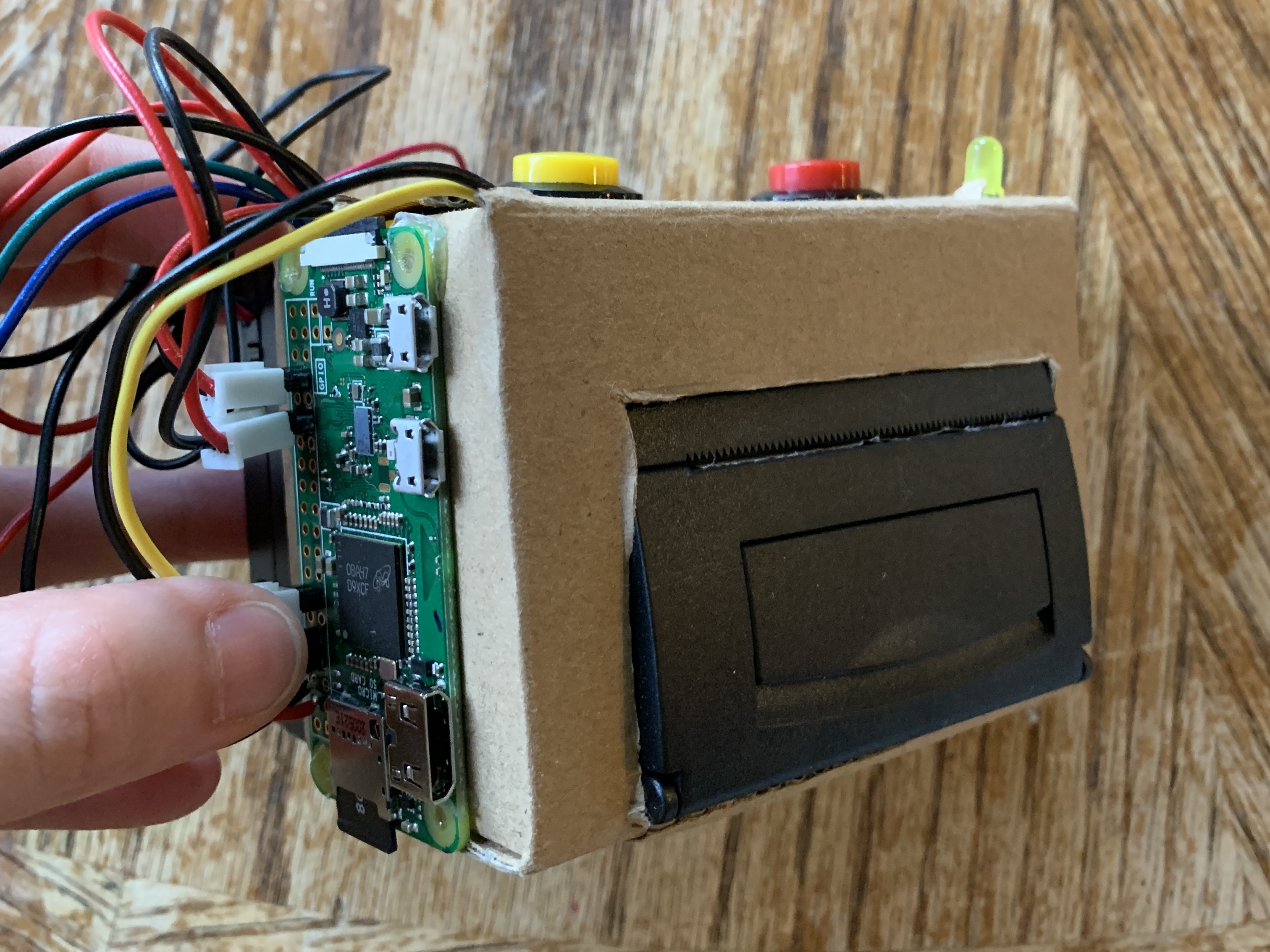
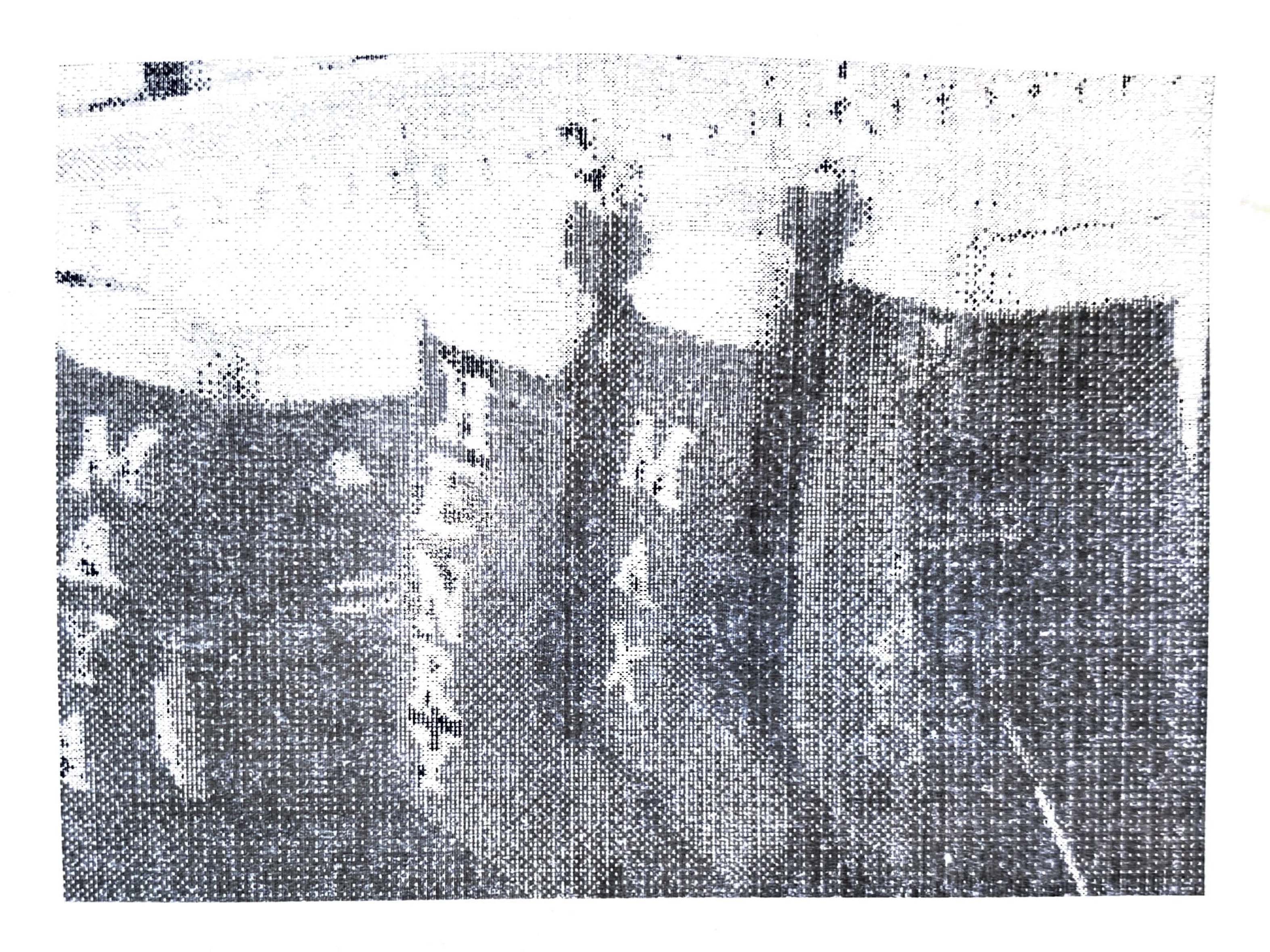
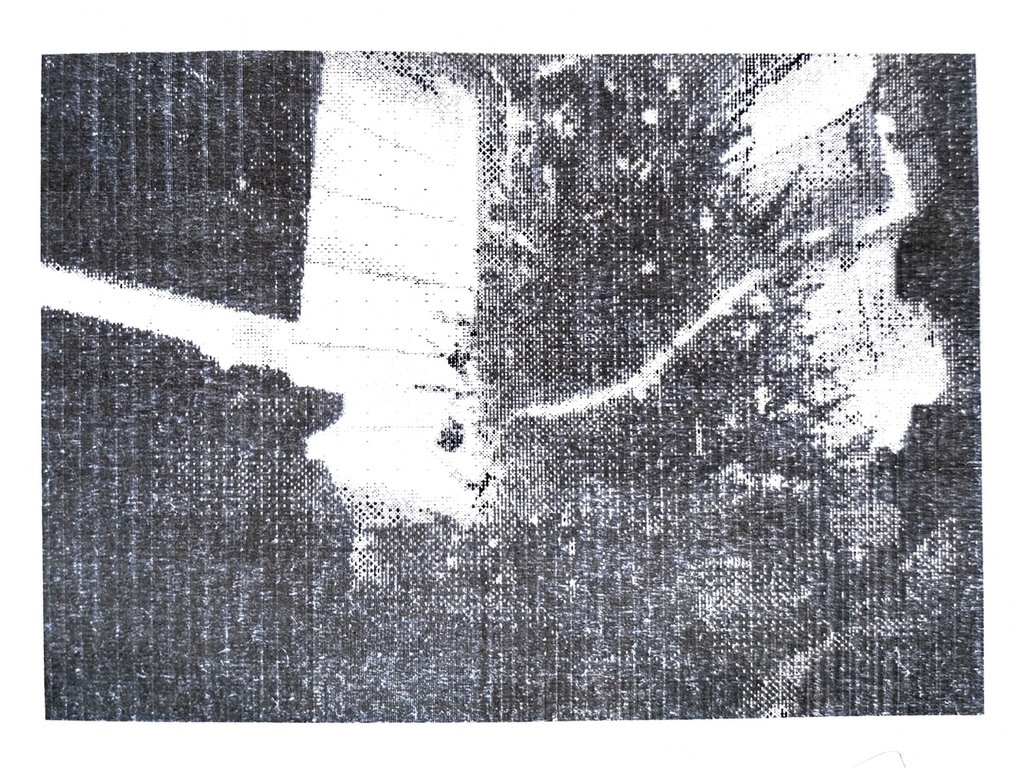
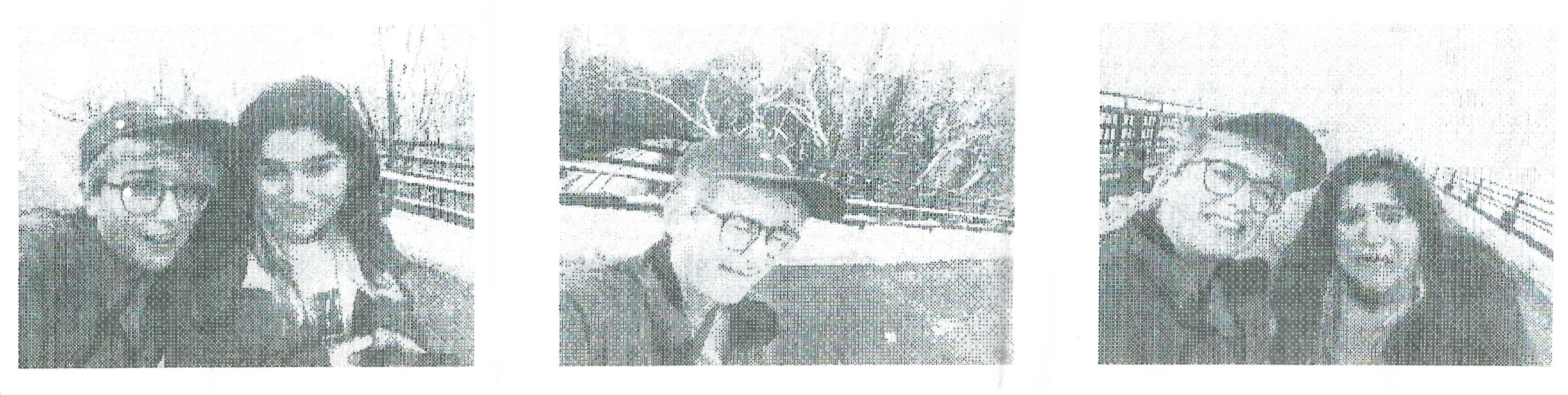
Polaroid cameras and their photo paper are a little pricy, so one day I was thinking about how I might be able to make one for myself that might be more cost effective. In my research for the endeavor, I found a guide from Adafruit doing just that - using a Raspberry Pi board and camera, and a thermal printer used for printing receipts to create effectively a digital polaroid! I mostly followed the guide, and played around with the dithering settings, to create a very fun little camera! I love bringing it with me to events and showing it off to friends and family, and leaving them with some fun little momentos! I still plan on making it a nicer, more permanent housing, but the cheap/diy housings it’s had so far give it some charm.
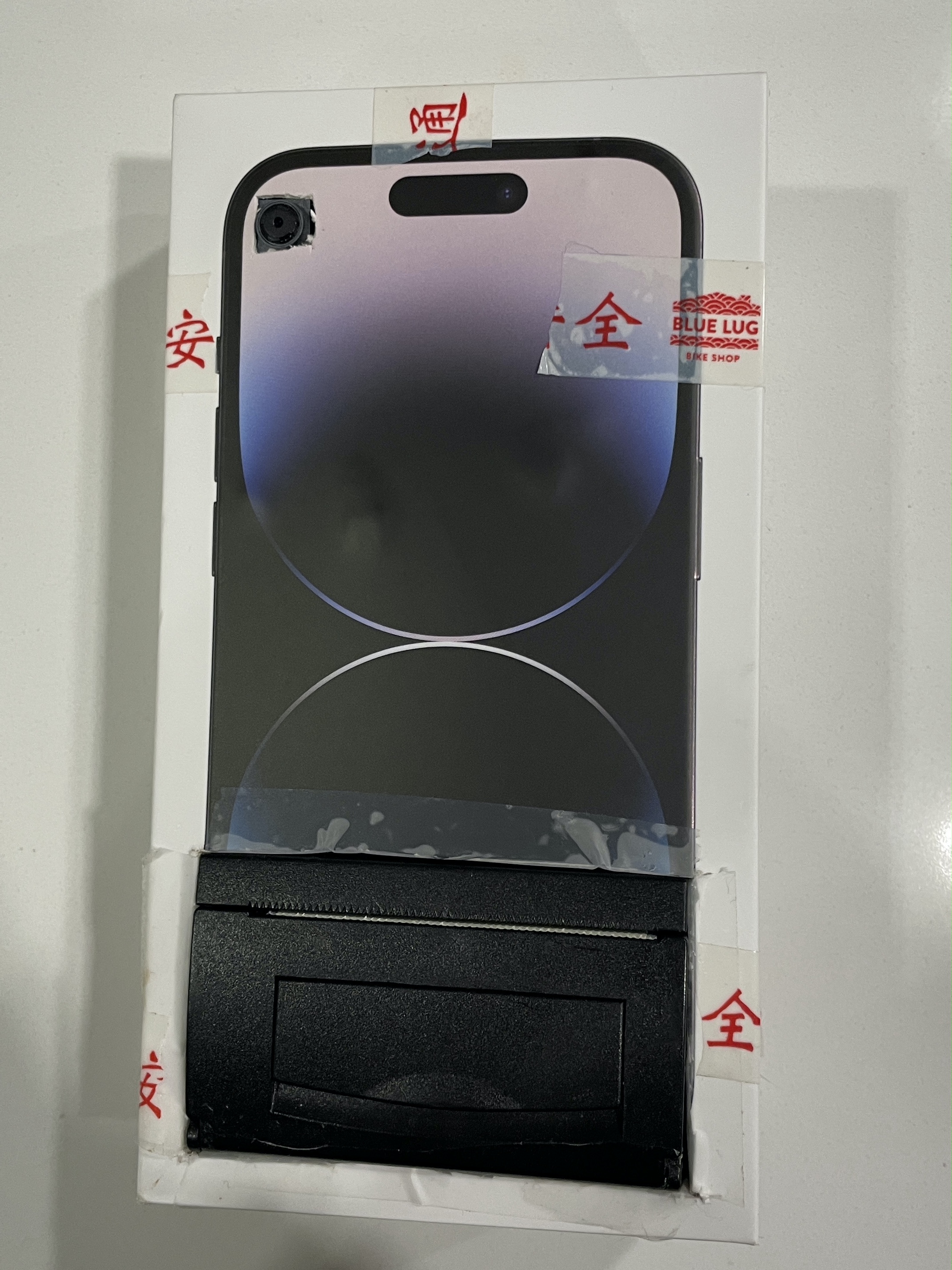
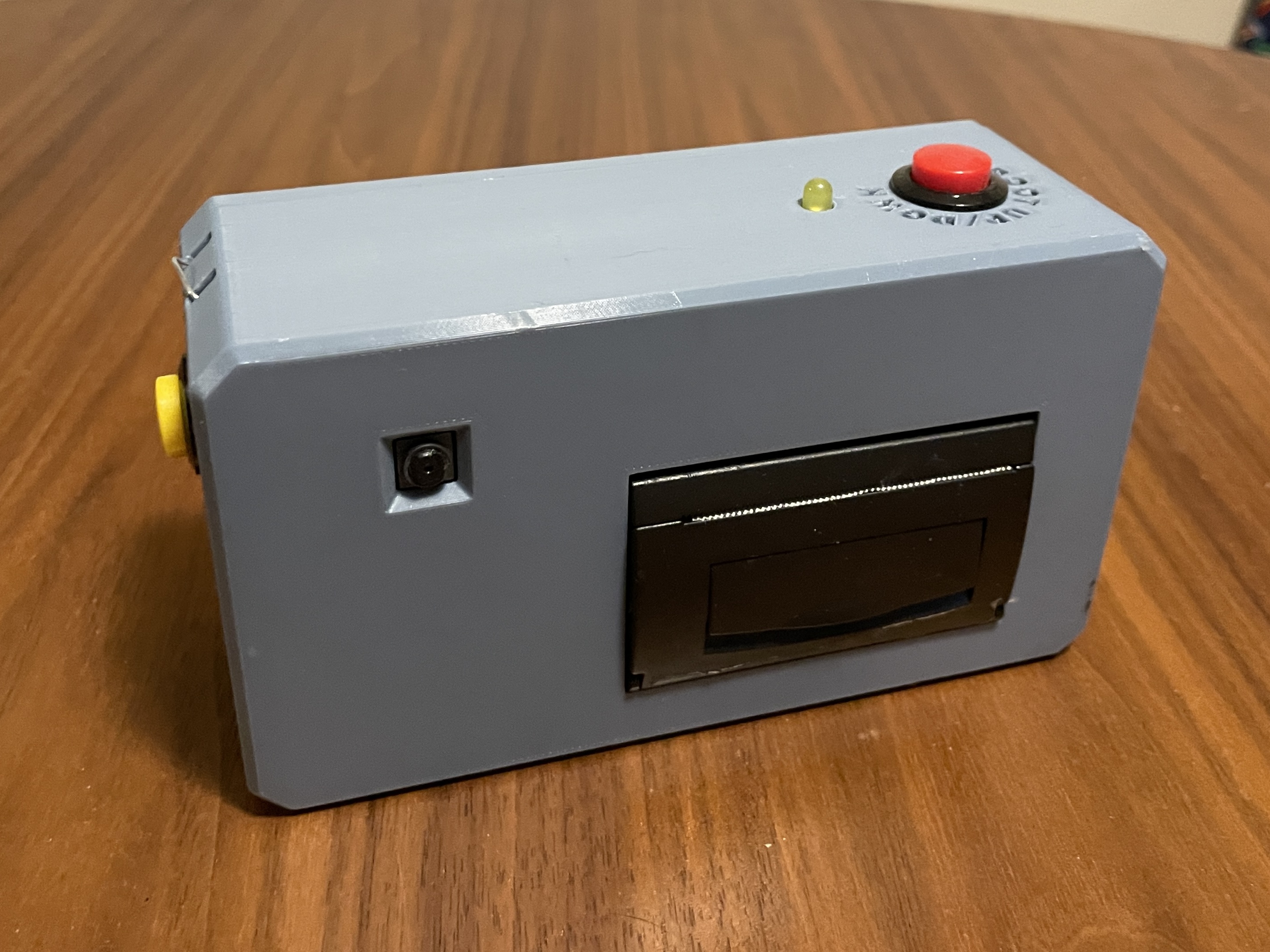
March 2025 Update: A while ago the cardboard housing was falling apart, and this camera was basically a pile of wires. I quickly wanted to bring it to a party so I shoved it in an iPhone box I had laying around to at least protect the wires. I found the iPhone box a bit less charming, so recently I got around to designing and 3D printing a more robust housing for this camera. It feels bulkier, and there's not even any power in the box, but I've gotten more consistent printing results using an external power bank I can keep in my pocket rather than a AA pack.
 |
 |
 |
 |
 |
 |
 |
 |
 |
 |
||
signal hacked camera
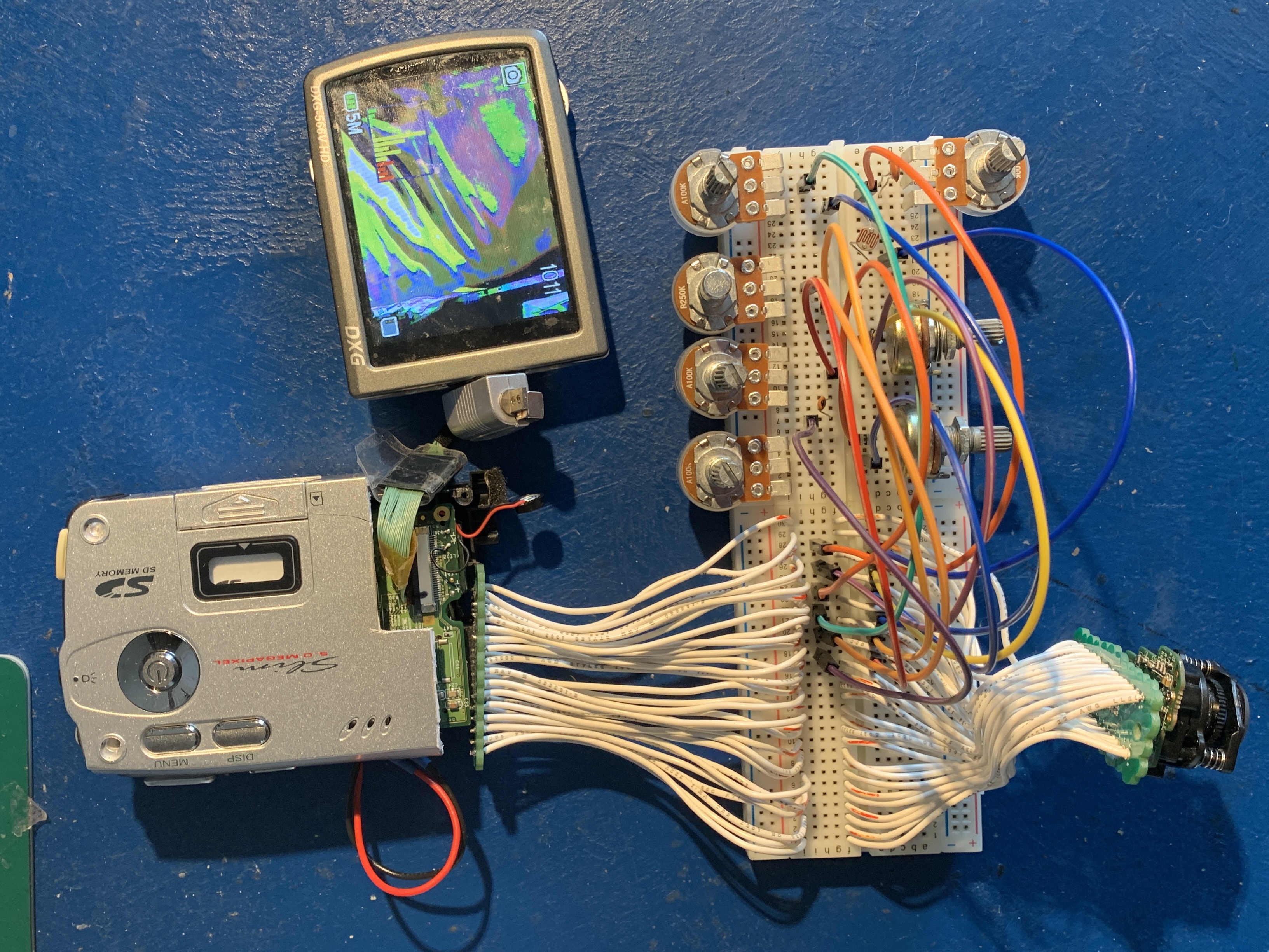
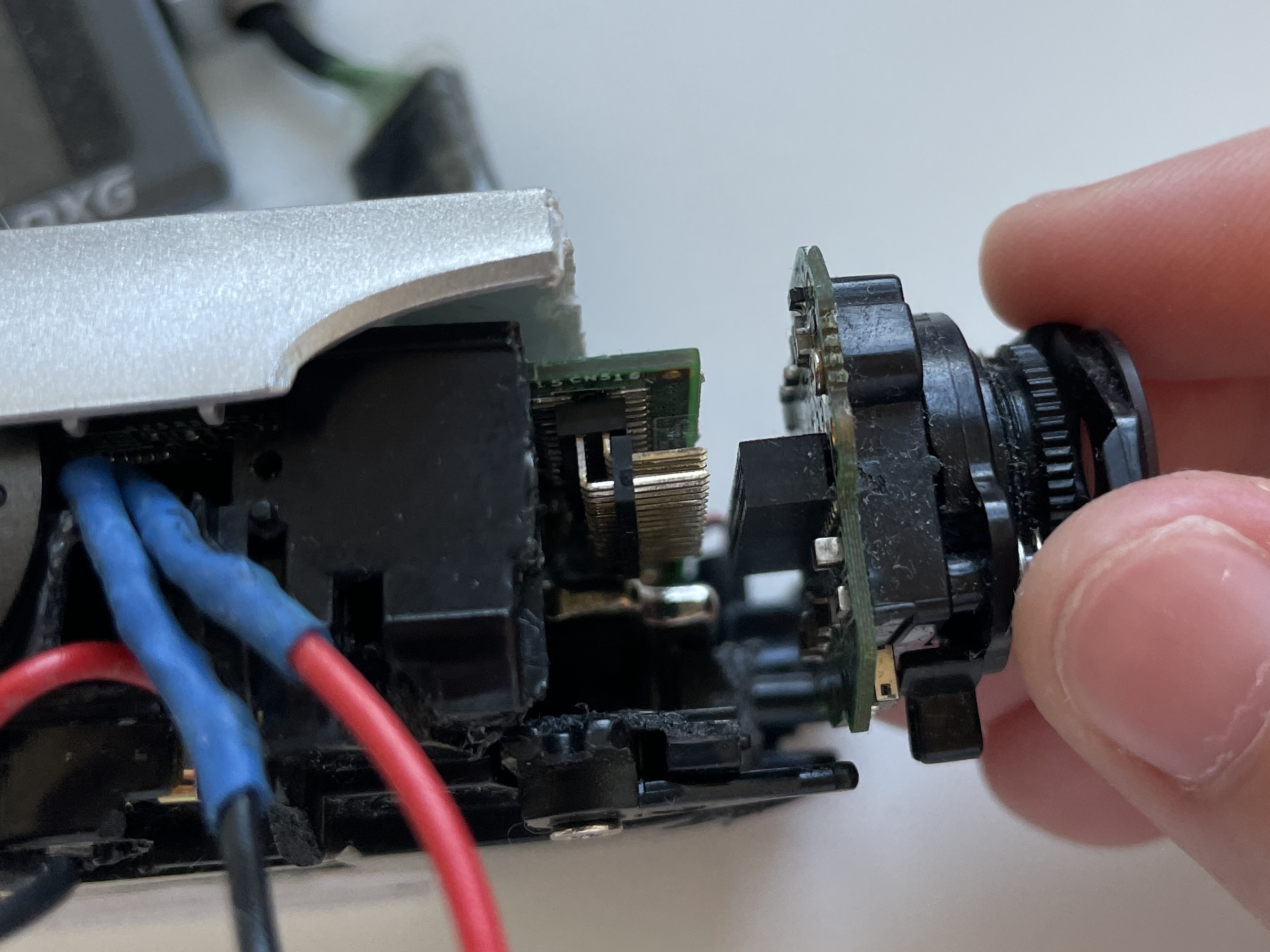
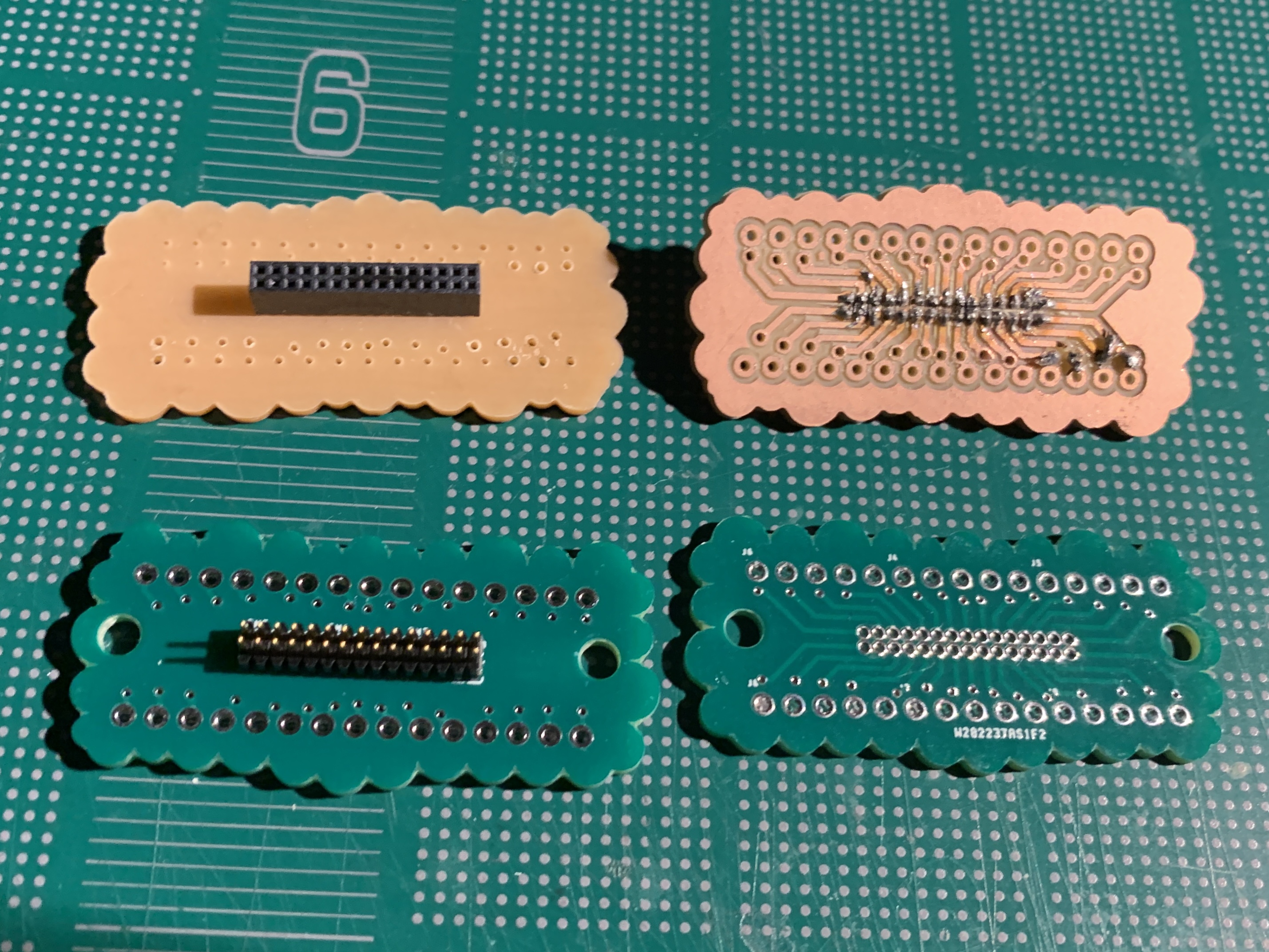
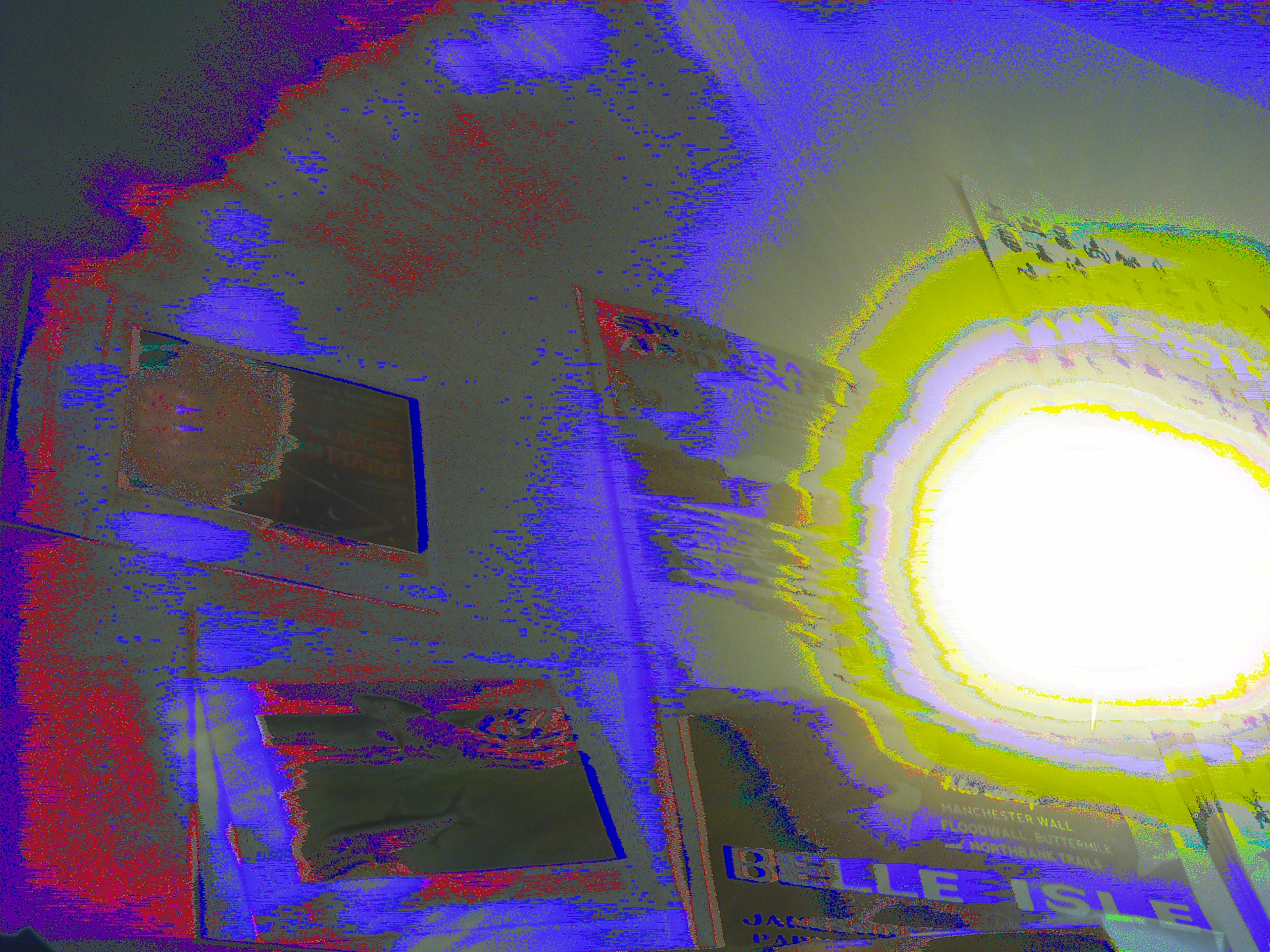
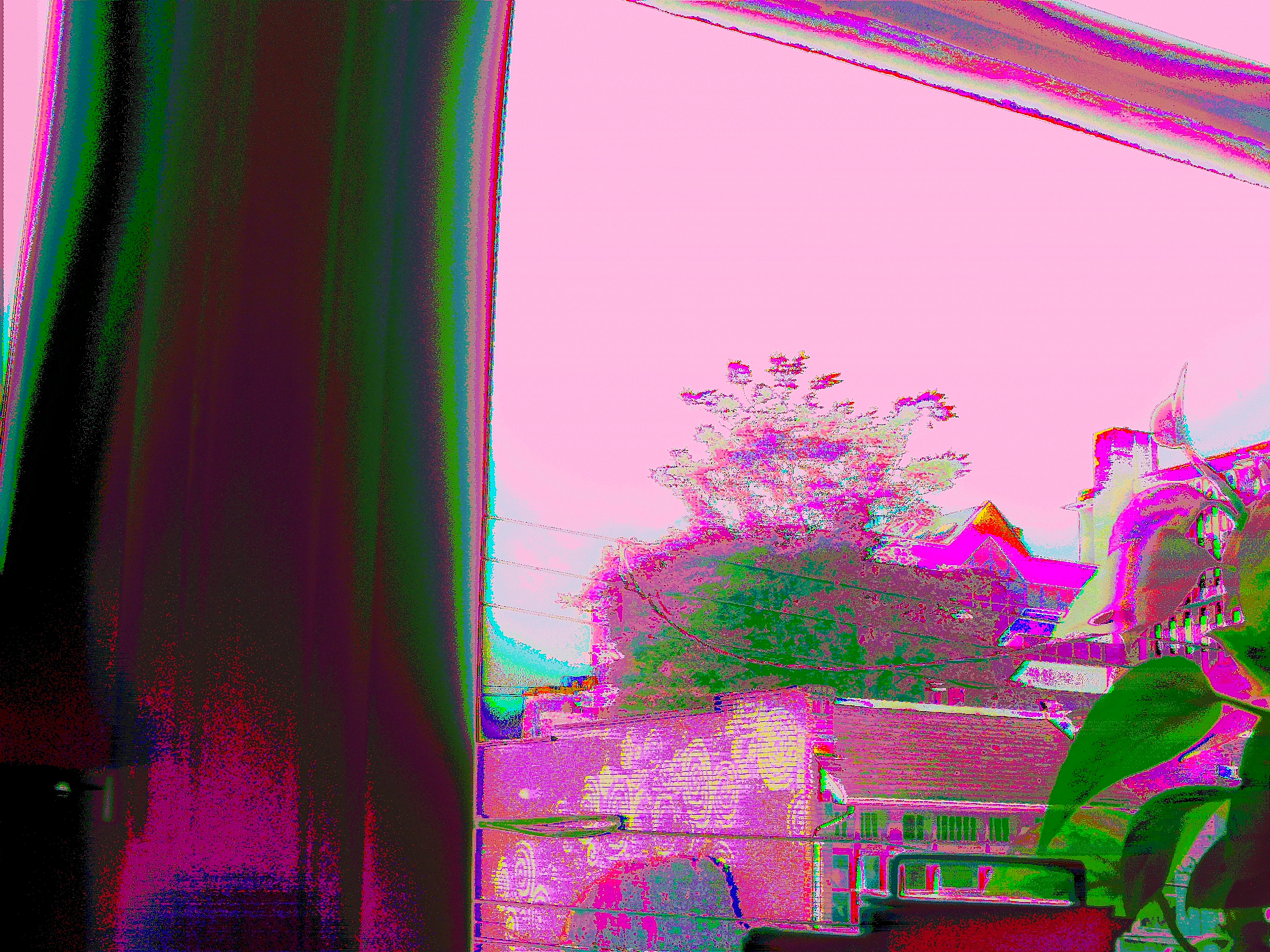
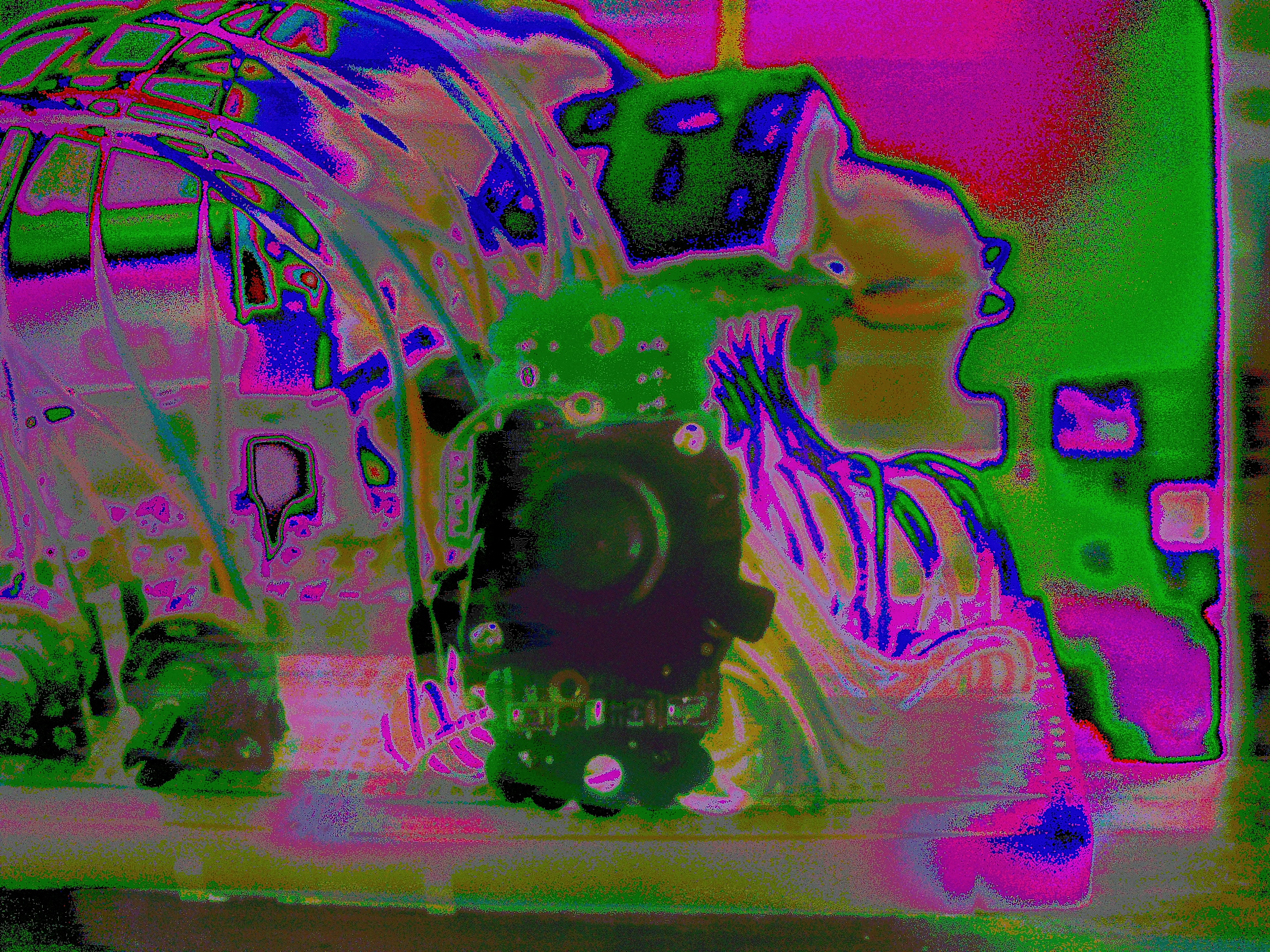
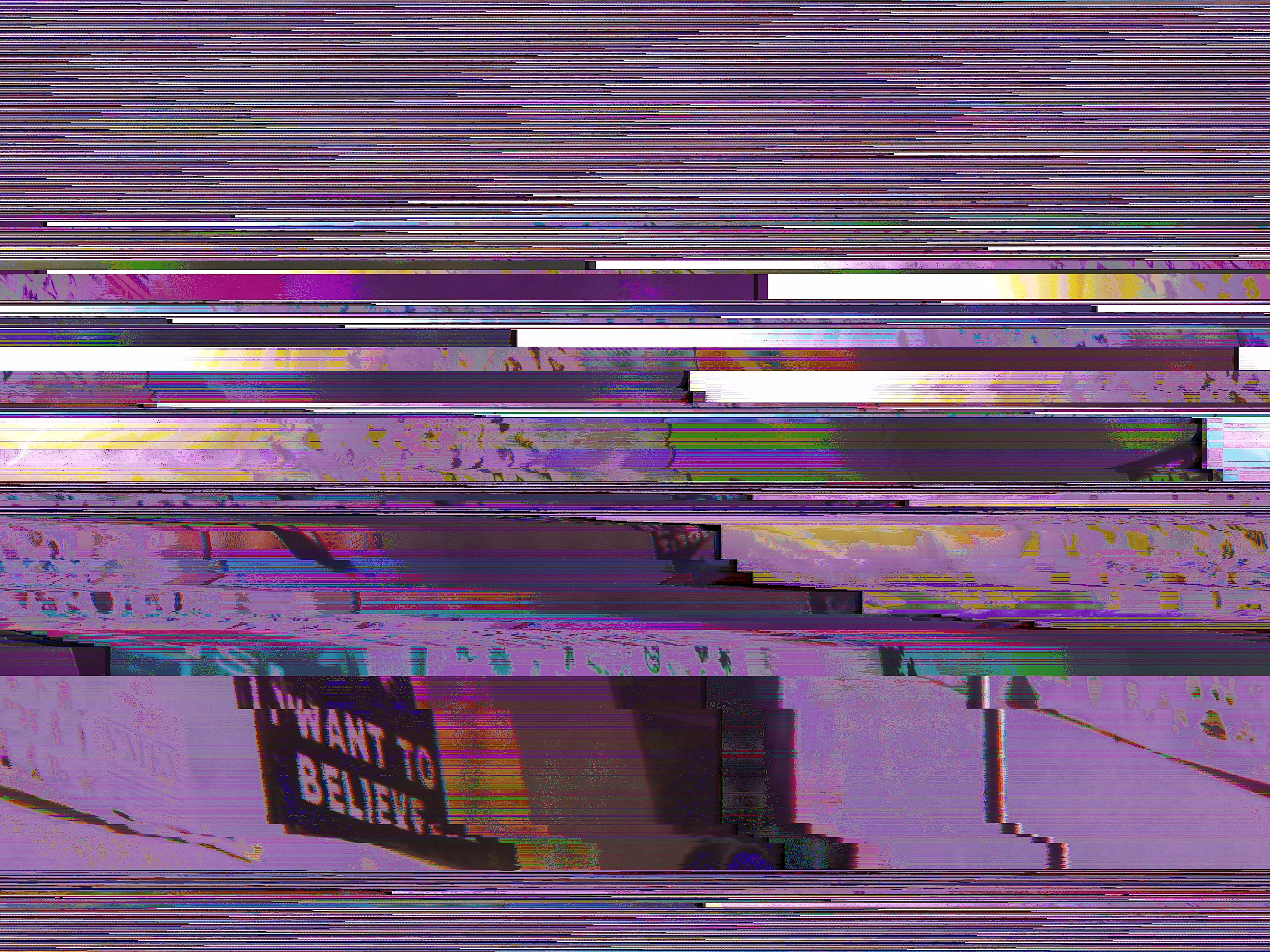
Anytime I go to a thrift store or flea sale or the like, I always keep an eye out for old cameras, and one time I found a little digital video camera that was too cheap not to buy. Being from the aughts, the photo and video quality is incredibly mediocre, which made me feel better about taking it apart just because I was curious as to how it was designed. I found that the image sensor was connected to the main processor board via regular pin headers, and then I had a fun idea - I wanted to see what kinds of effects I could produce in the video by interrupting the signals going in between the image sensor and the main board. I attempted to mill out a breakout board on the Othermill, but the pin holes were too small/close to get a good board cut out - so I got some basic little boards made to break out the camera connections to a breadboard. I experimented to find out which lines produced the best effects, and kept those ones broken out to potentiometers. This project still lives on a breadboard, and is fun to play with on my desk, but I plan to make new boards to permanently break out the lines, and make the setup more portable. I later learned that this is called circuit bending - a fun technique used in both the experimental photography and experimental audio/synthesizer circles.
|
|
 |
 |
 |
 |
 |
 |
 |
 |
circuit-bent camera
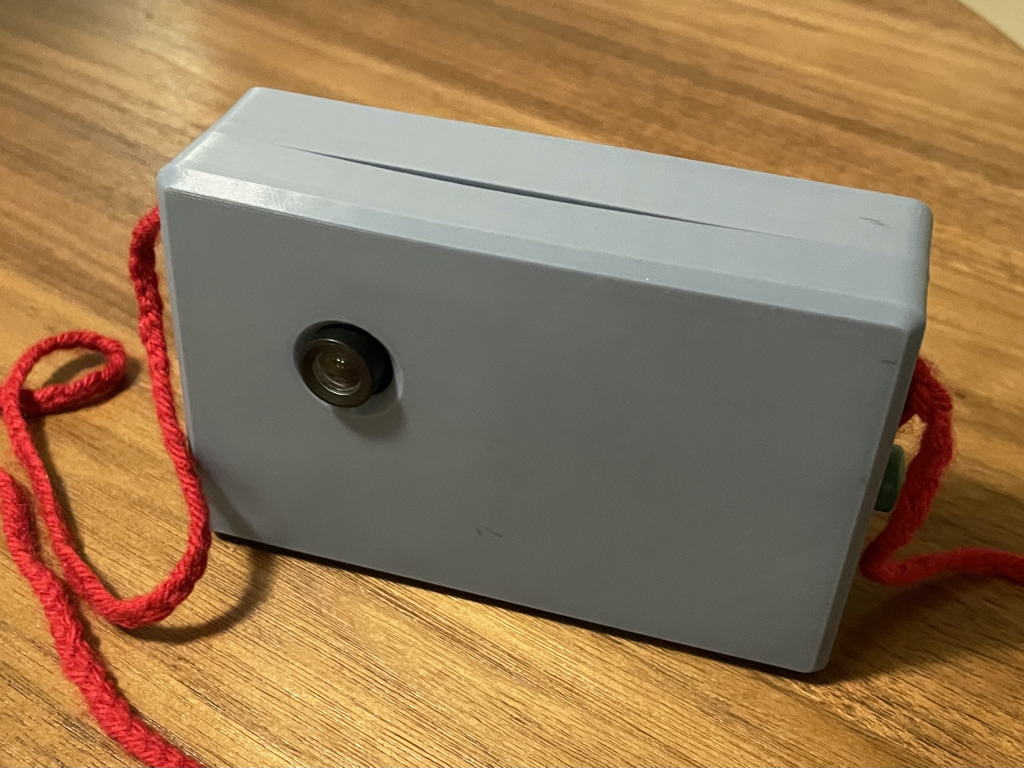
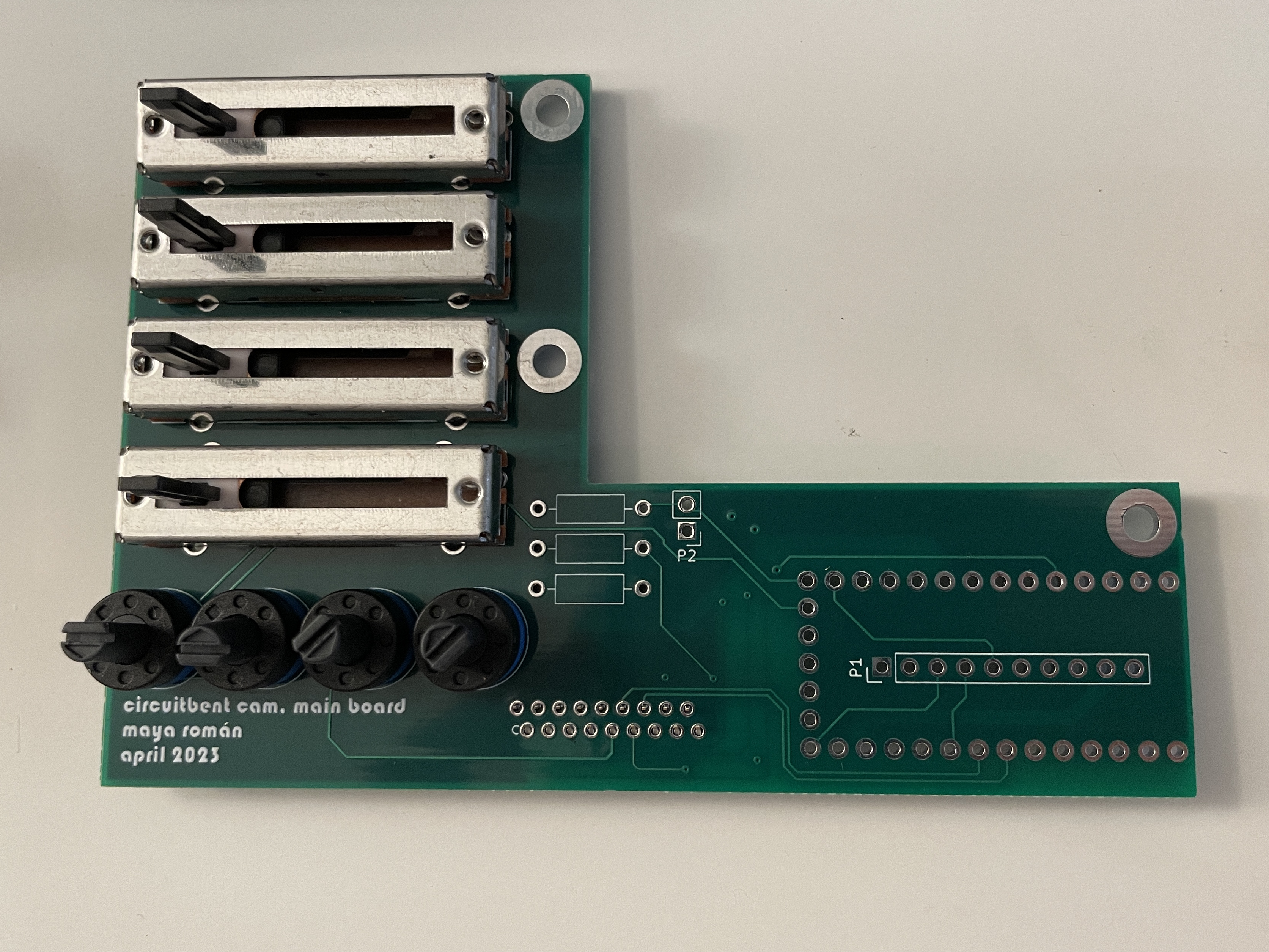
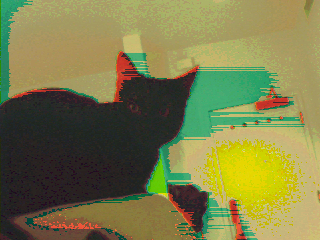
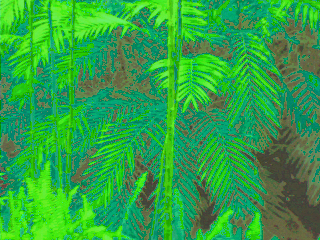
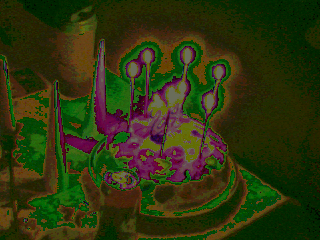
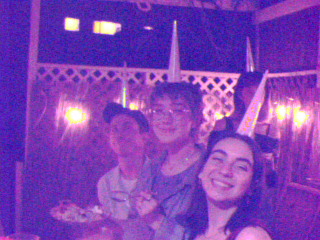
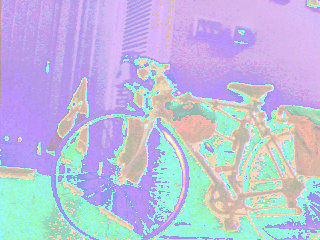
I wanted to do more circuit-bent photography, so as part of a class in my last semester of college, I started making a circuit-bendable camera with an OV7670 camera module. I didn’t end up finishing the project by the end of the semester (sorry Dr. Dickerson, still got an A in the class though!) but I picked it back up once I settled in after moving and starting my new job. I redesigned the circuit board in Fritzing (the design had been in Altium for the class), with five signals going through switches that can redirect the signals to +3.3V, ground, a potentiometer, or an open line. The image is previewed on a TFT screen, and can be saved to an SD card with the push of a button. It’s run by an RP2040, so I used this project as an opportunity to learn CircuitPython and figure out the Mu editor. This camera also lived in a silly little cardboard housing for a while, until I finished designing a basic two part housing and had it printed (thanks Antonio!!). This is also a fun camera to take out and show off to friends, and since I haven’t built a playback feature once you take the photo you have to wait to look back at it - a bit like a film camera with the delayed gratification.
 |
 |
 |
 |
 |
 |
 |
 |
 |
fisheye lens
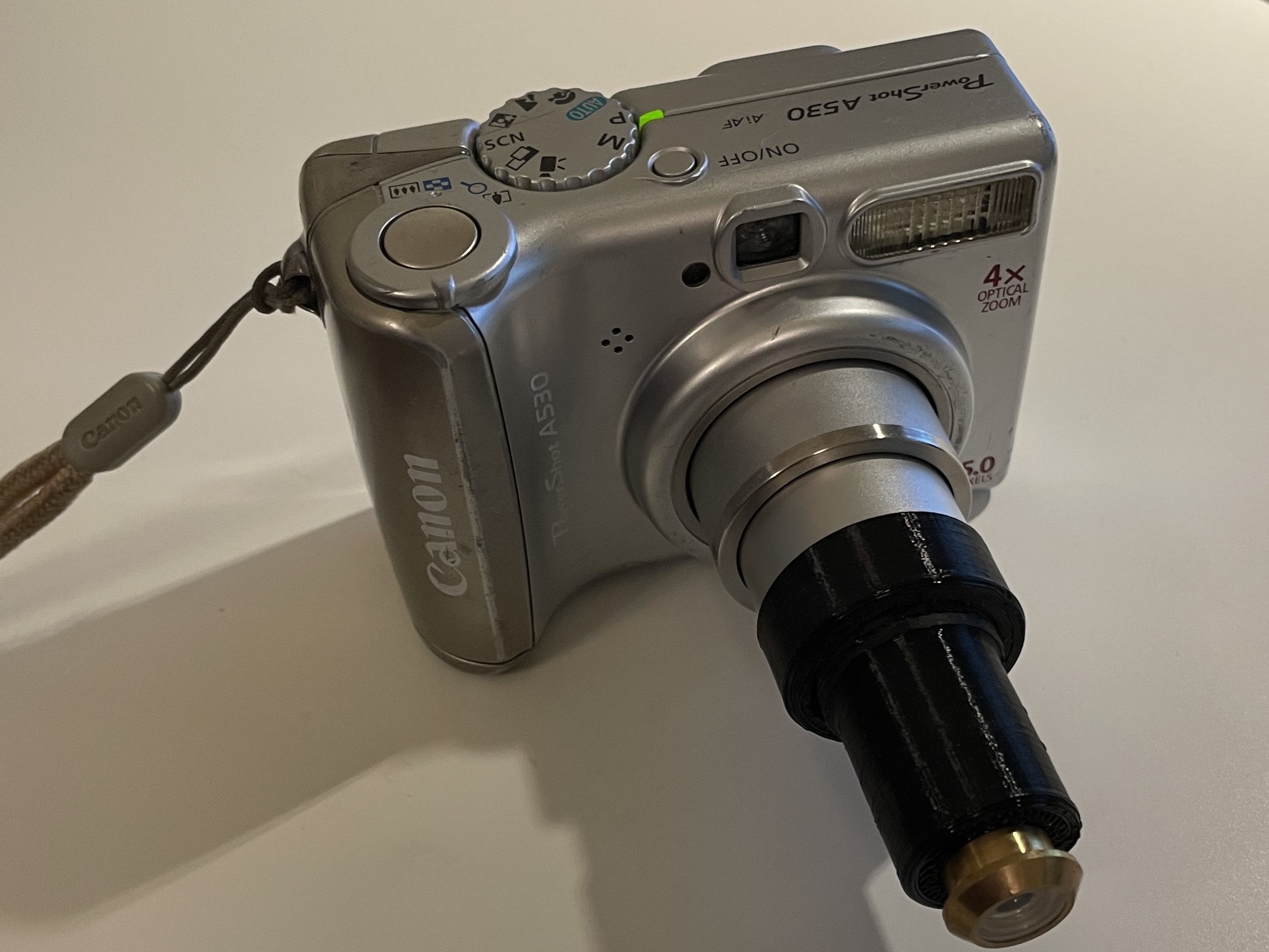
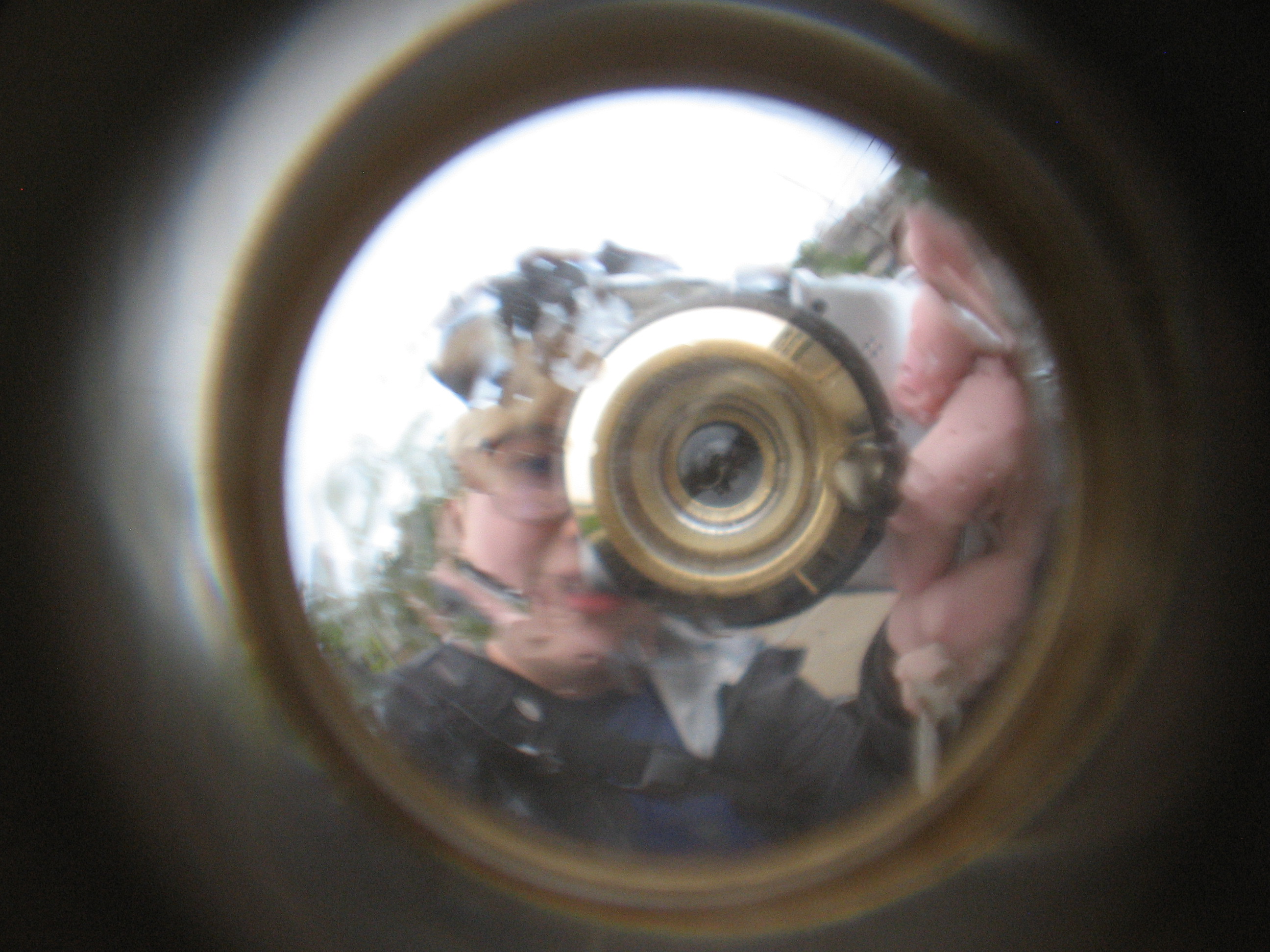
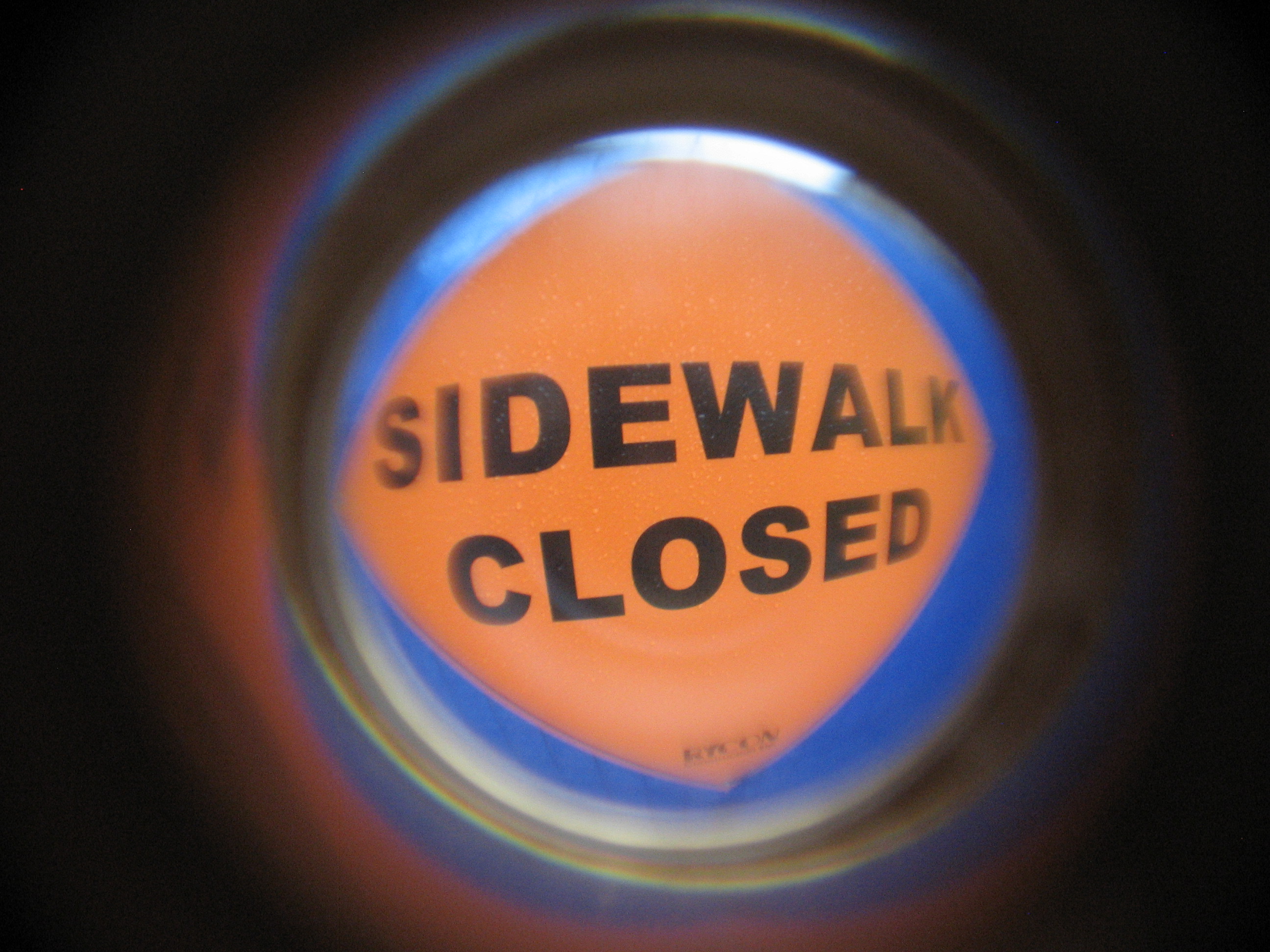
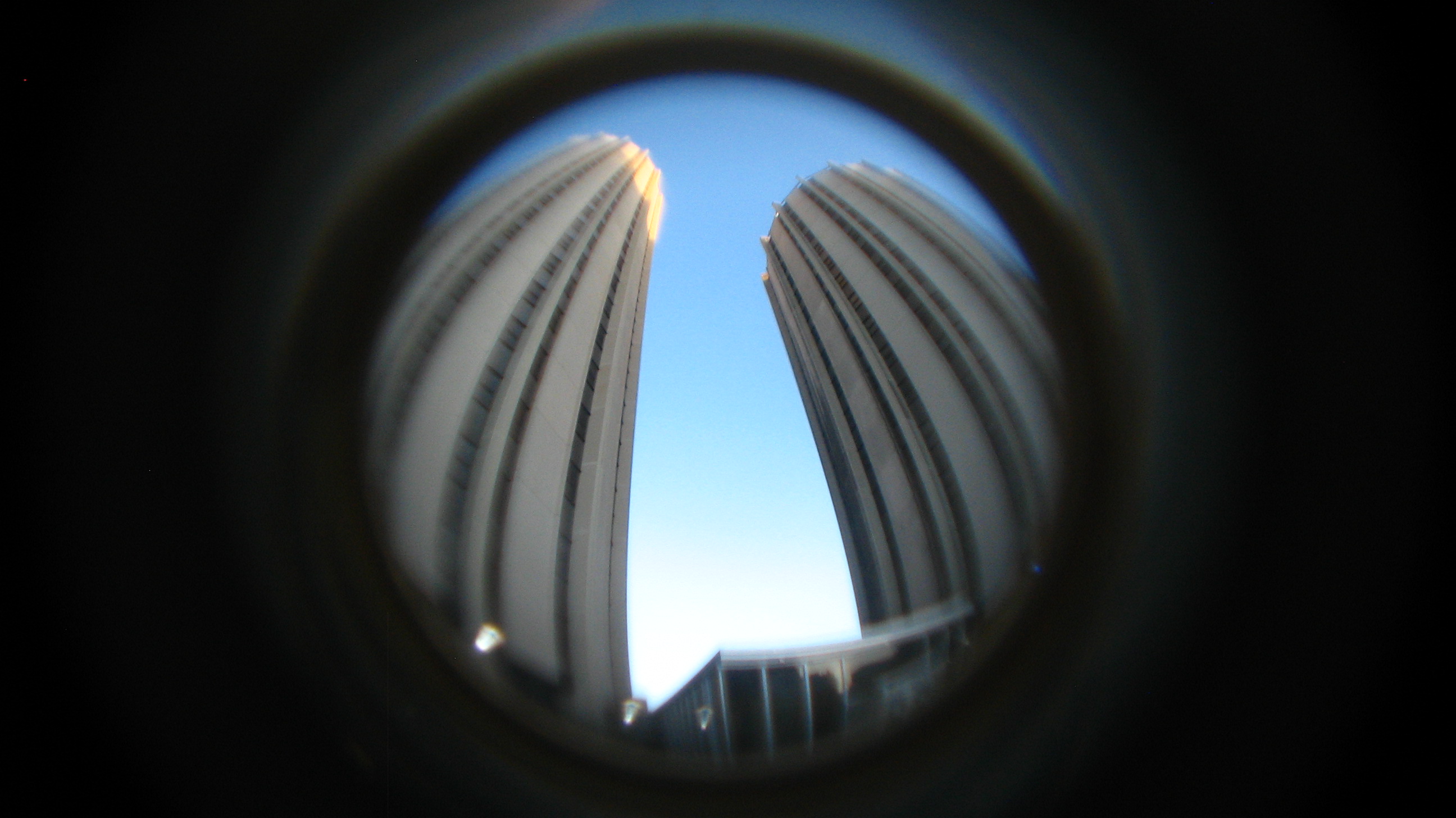
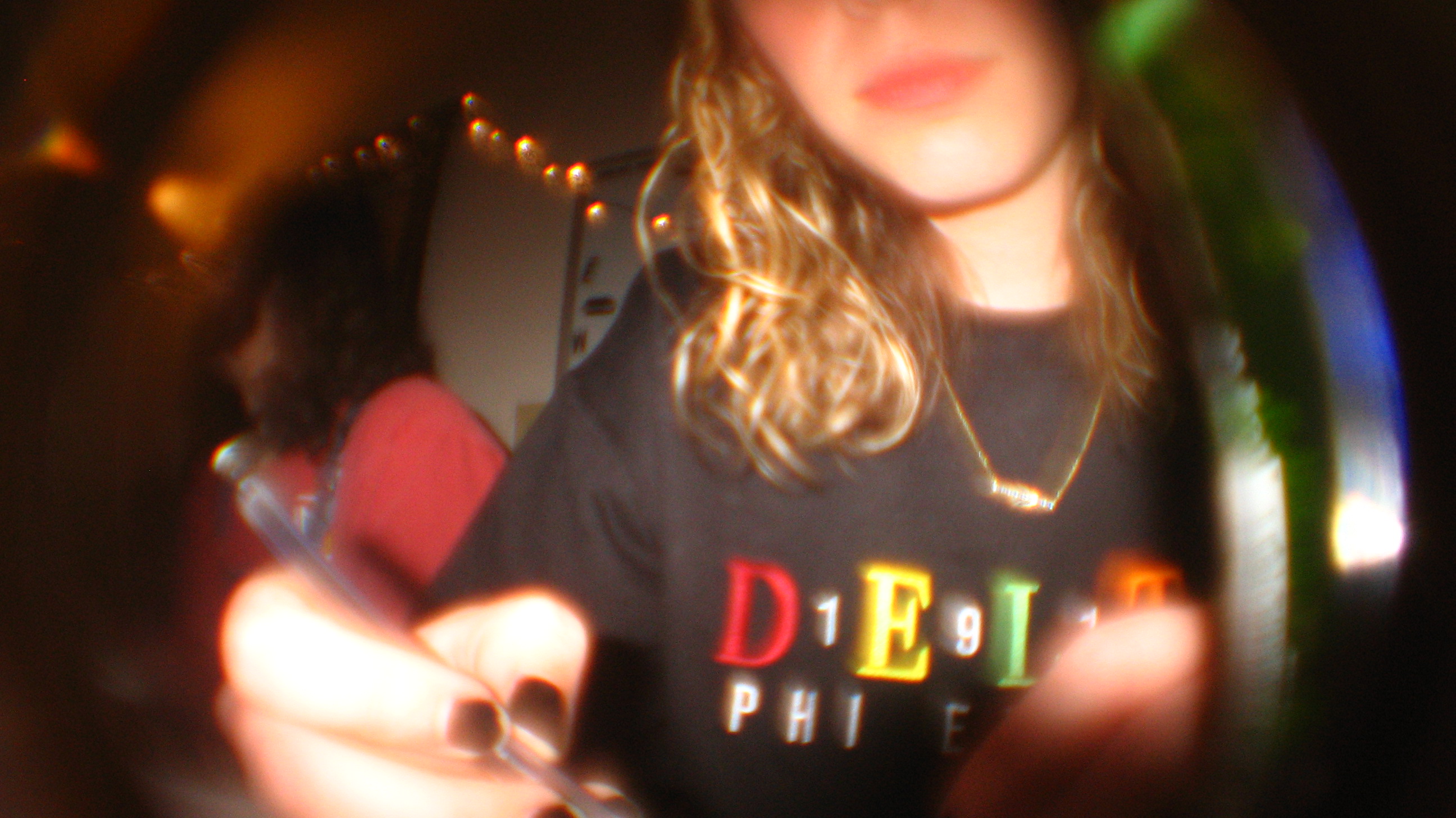
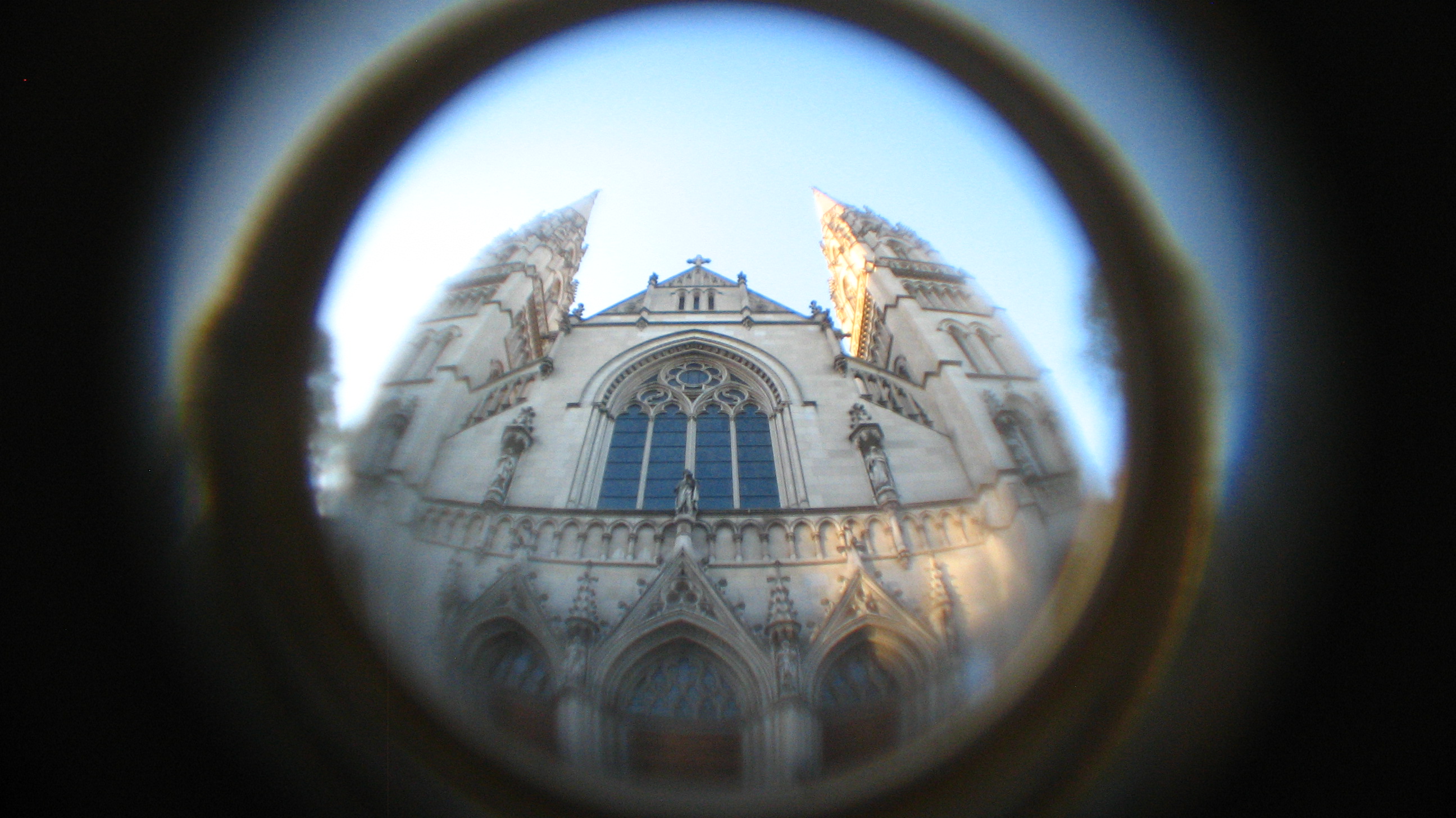
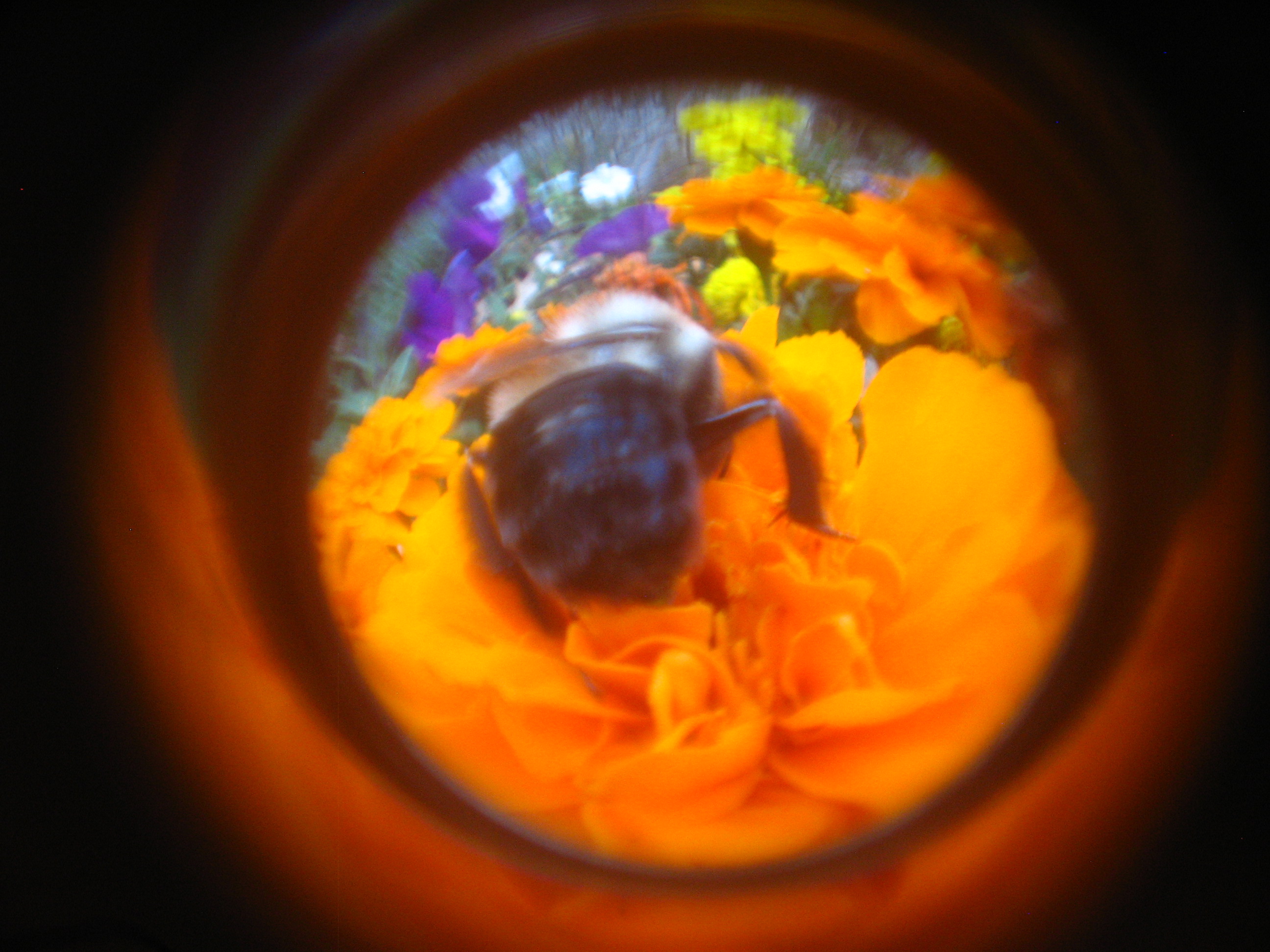
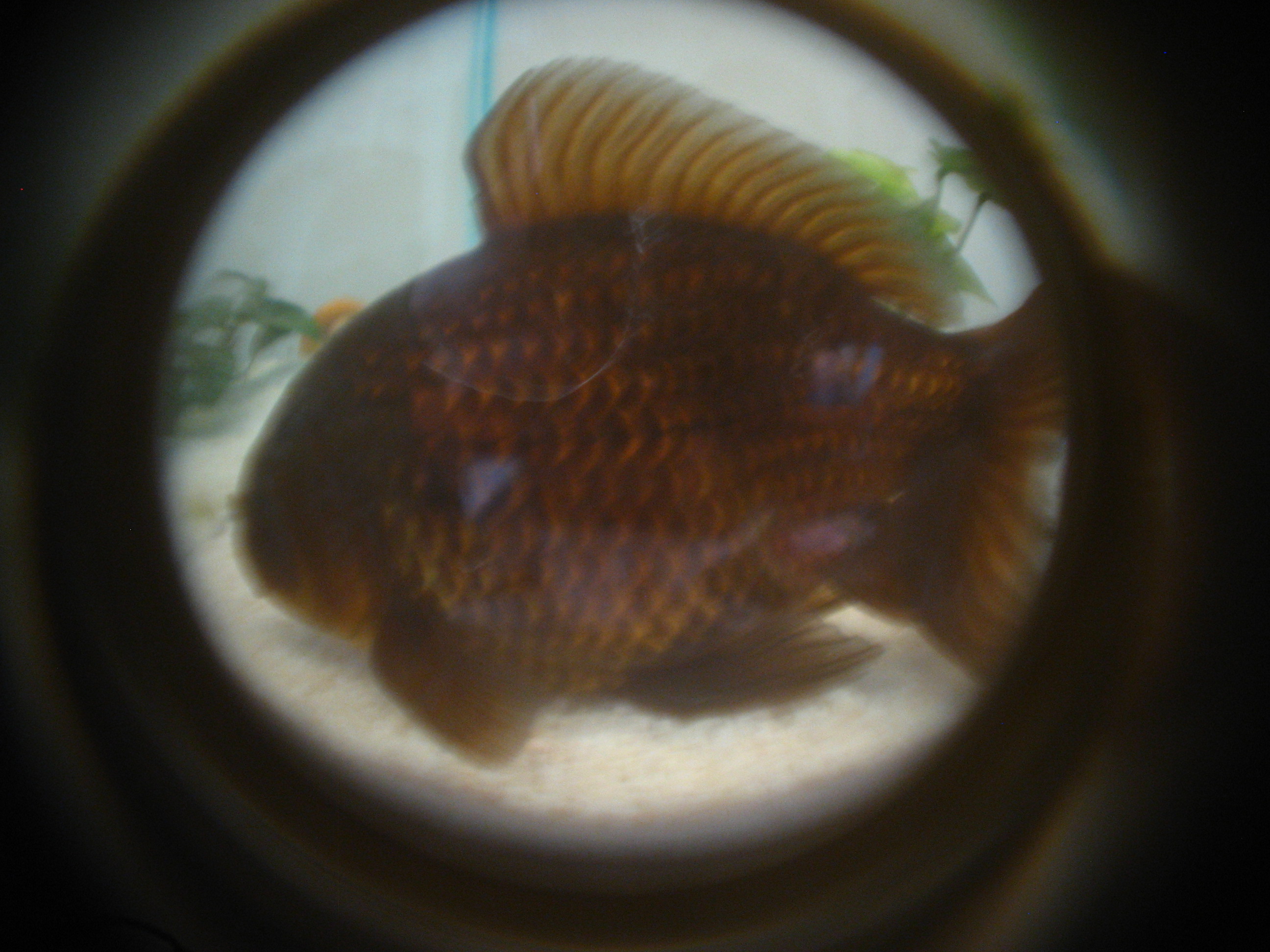
Somewhere, now I don’t remember where, but probably on some old camera forum post, I read about using a front door peep hole as a fisheye lens. Not too long after, I found my self in a shop with a stack of front door peep holes, so I got one and 3D printed an adapter to fit it on my little Canon Powershot A530. I was able to tap the plastic bore to thread the adapter for the peep hole thread, and then had an easy diy fisheye lens!
|
 |
 |
 |
 |
 |
 |
 |
 |
slit-scan script
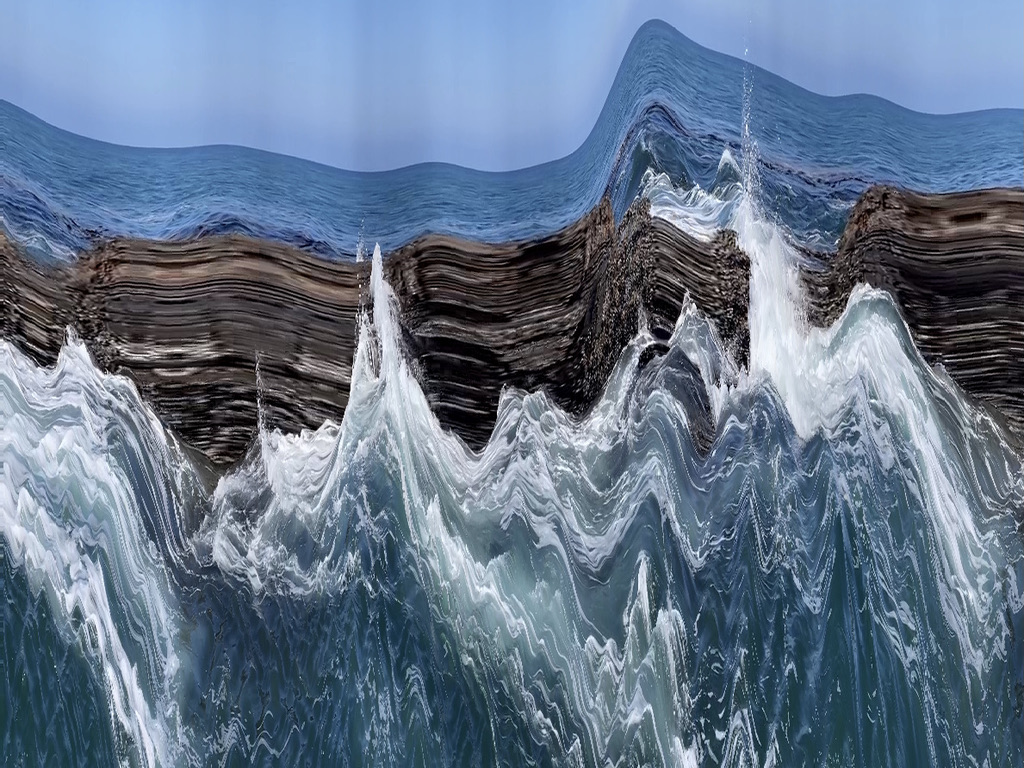
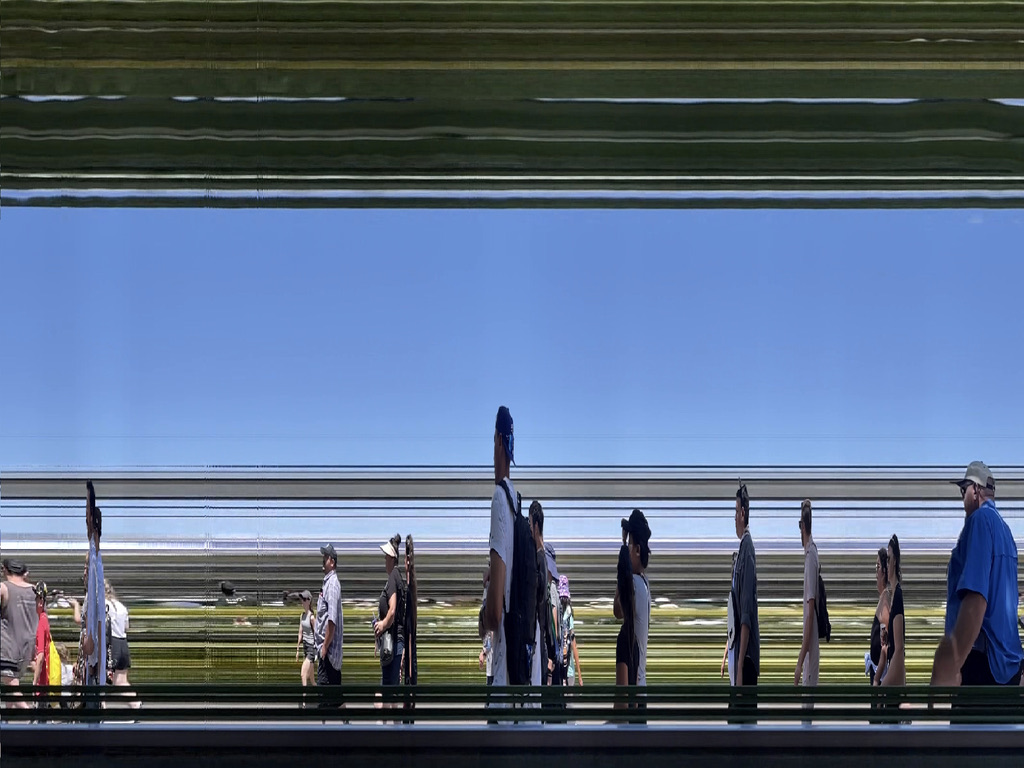
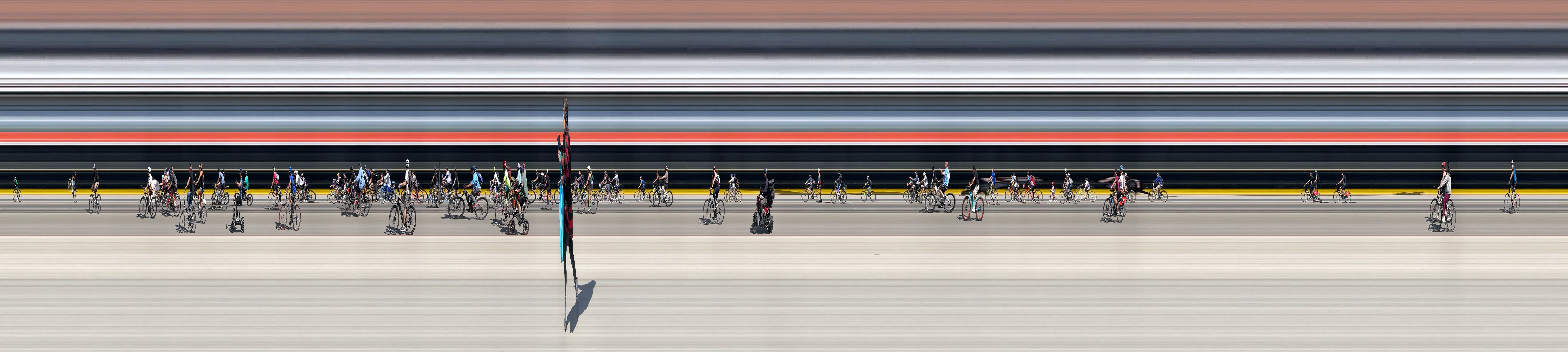
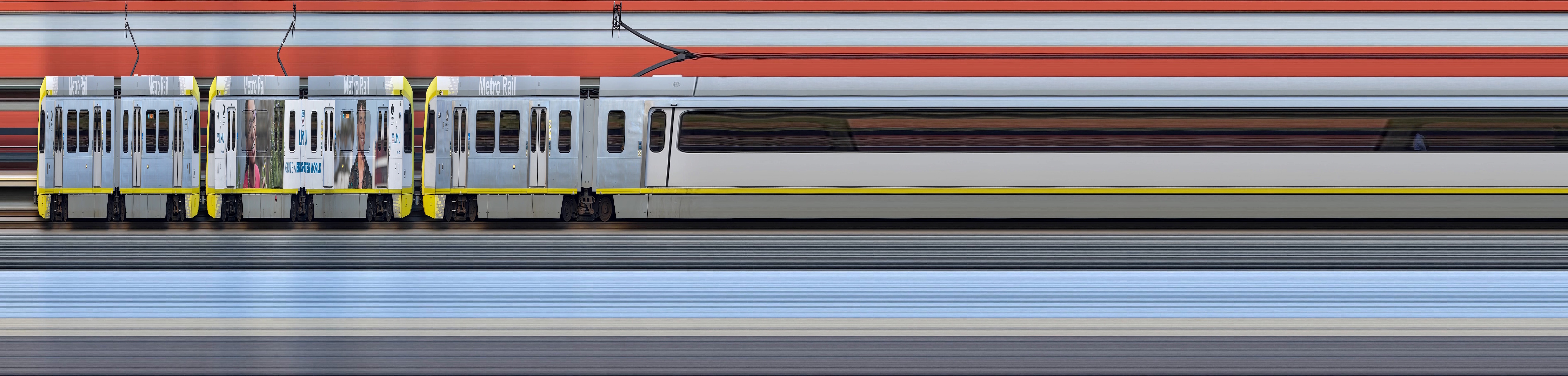
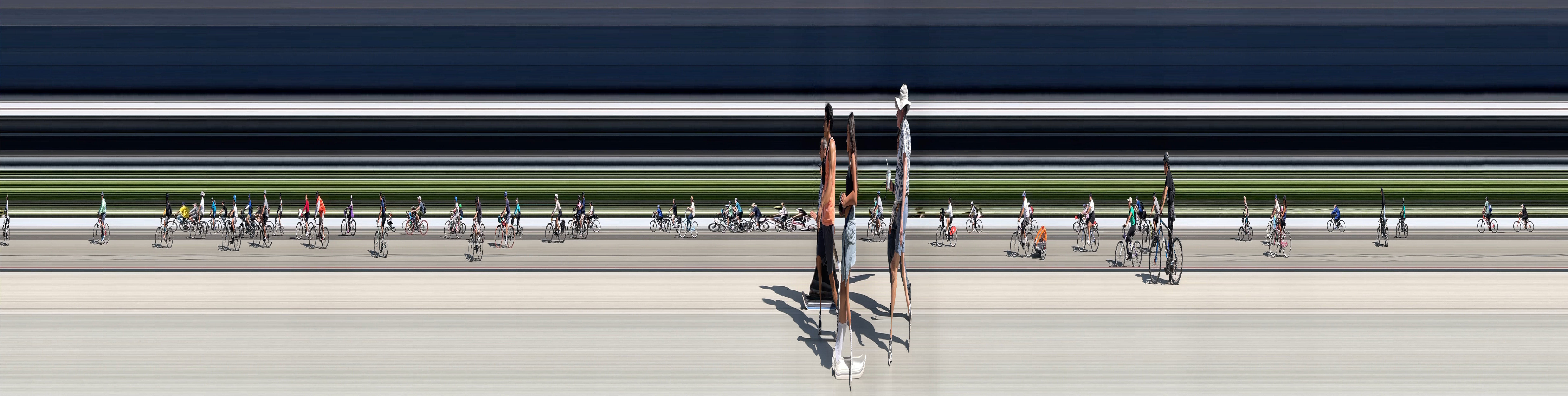
Inspired by a photographer friend’s amazing transit slit-scans, I wanted to try my own hand at the technique. Slit-scanning creates an image with one dimension in space, and the second dimension in time by only looking at one column (or row) and compiling the photo from just that column or row at different points in time. I found an example Processing script that creates slit-scans with the computers webcam, and I modified it to my preferences. I added the capability to use uploaded videos and more easily adjust parameters including the sampling rate, length of produced photo, and position of the slice in the video. I’ve made a few ok slit-scans with the program - I need to spend more time getting good, steady slow motion video to make some better ones!
October 2025 Update: I rewrote the program for Matlab, also added to the Github repo above. The functionality is the same, but it runs faster if you have access to Matlab!
To create the straight lines in the background, make sure to prop up your camera so it is completely still, and use slo-mo for best results. Or get creative and move the camera around for a wavy effect like the first one below!
|
|
| |
| |
|
|
flying the charmera
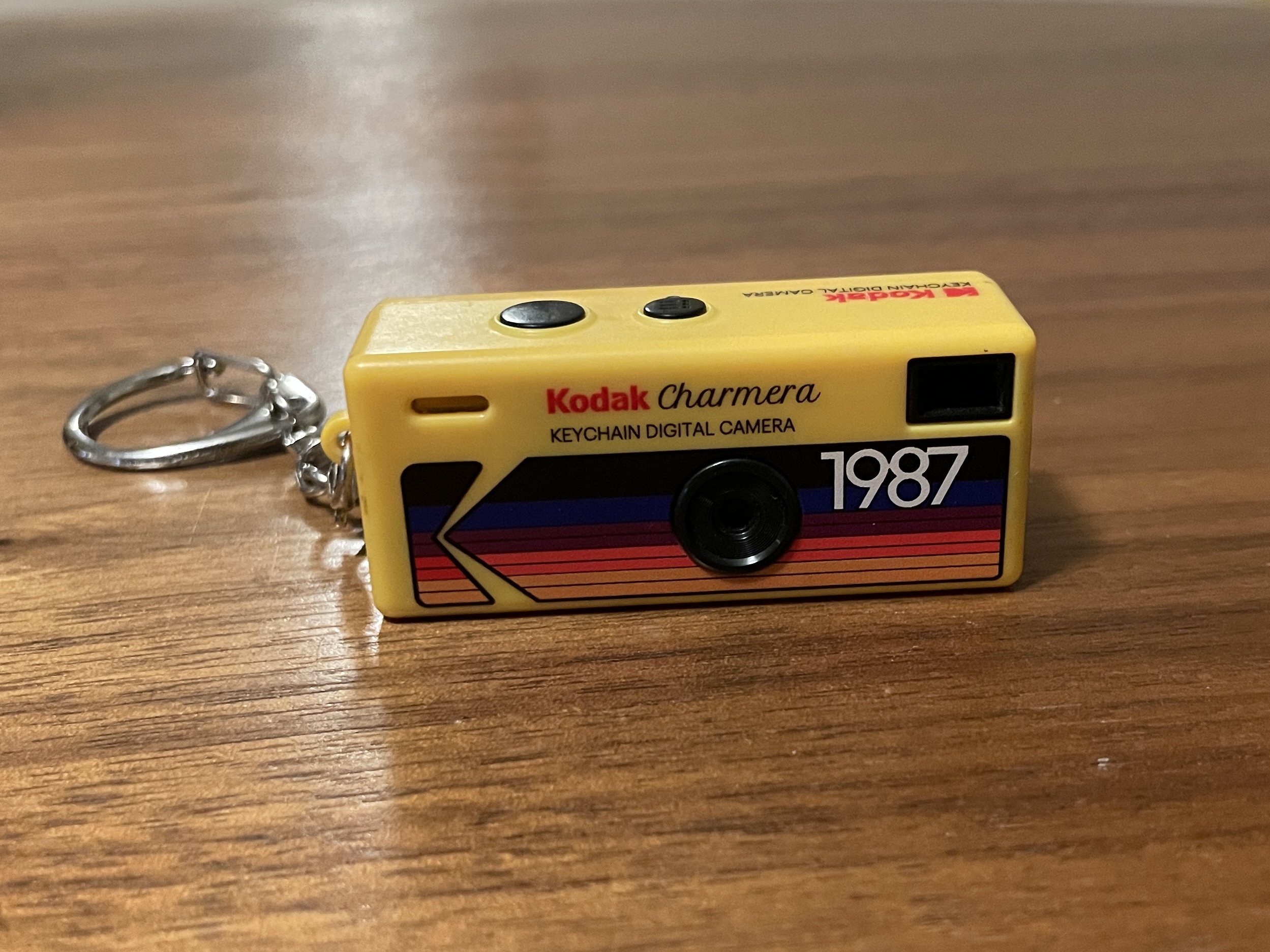
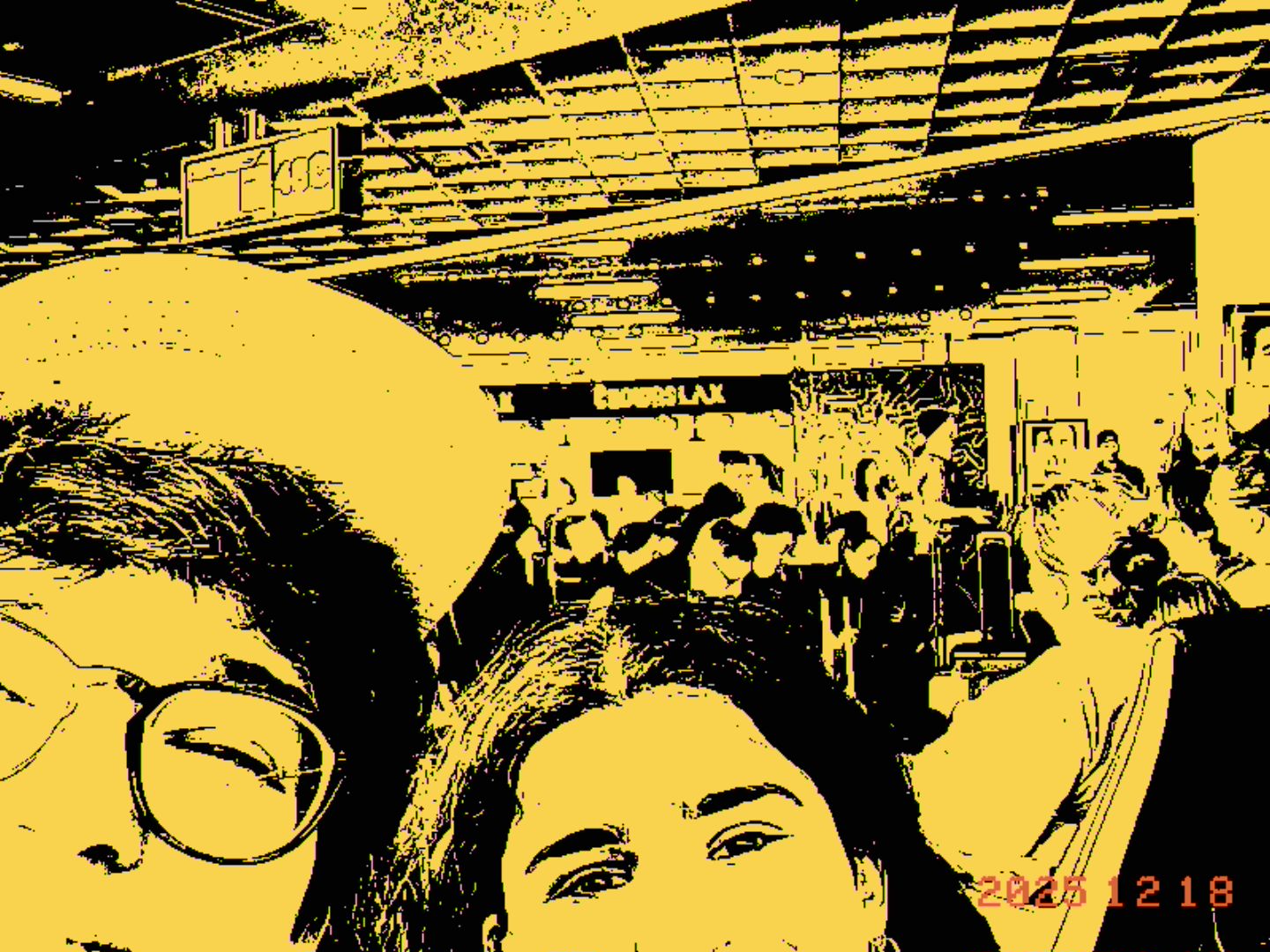
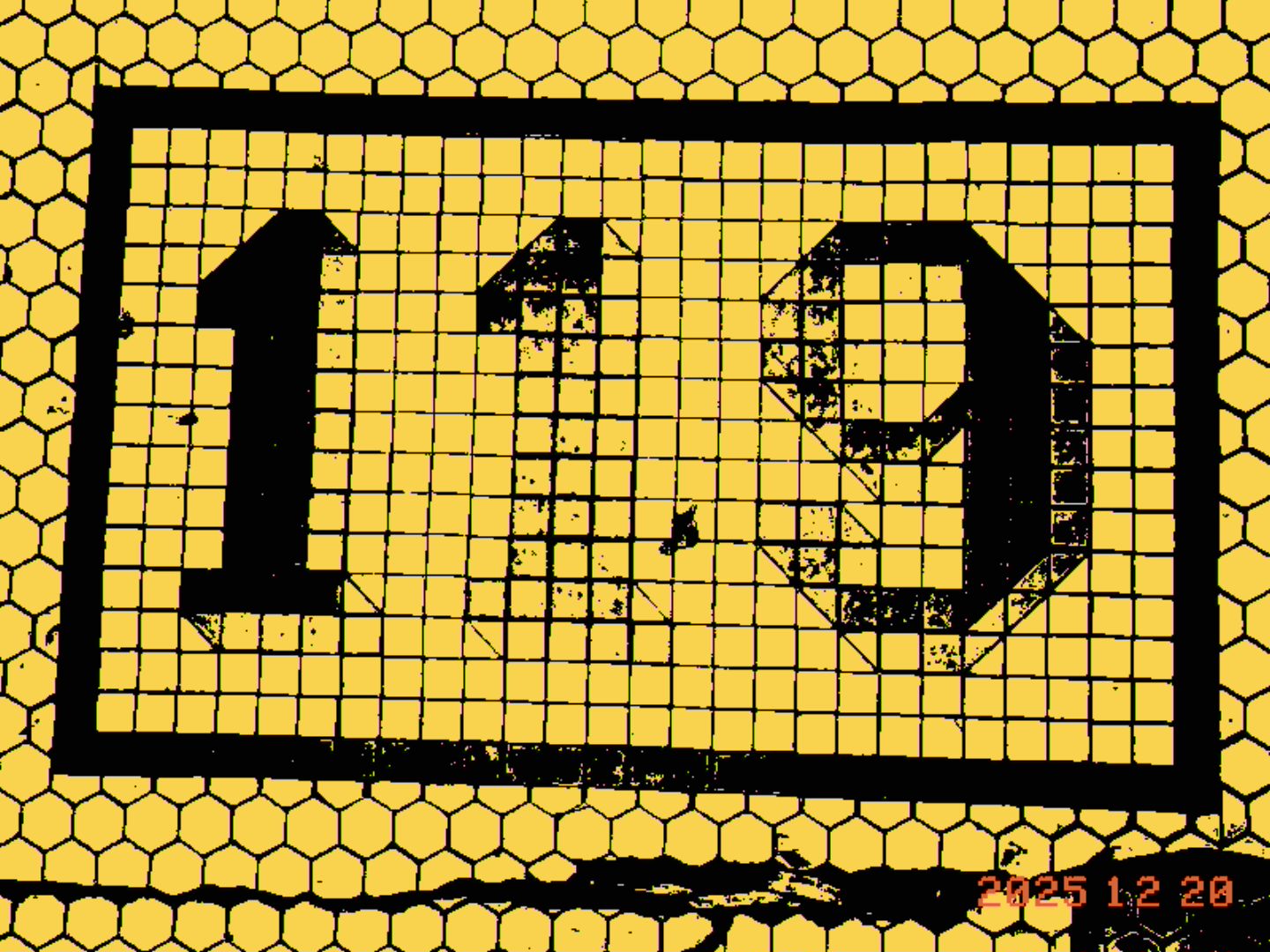
My friend gifted me a Kodak Charmera toy camera for Christmas 2025, and I get the hype! It's been a lot of fun to carry around. I especially like the two tone color filters it has, they're reminiscent of the circuit bent cameras! At the 2026 Clockshop Kite Festival (always one of the best days of the year!) I strapped the little Charmera to my kite to get some fun sky-high footage. Regretfully I did not bring a charger and the Charmera ran out of power taking a few minutes of video, but I will definitely experiment more with flying the Charmera in the future!
|
|

|
|
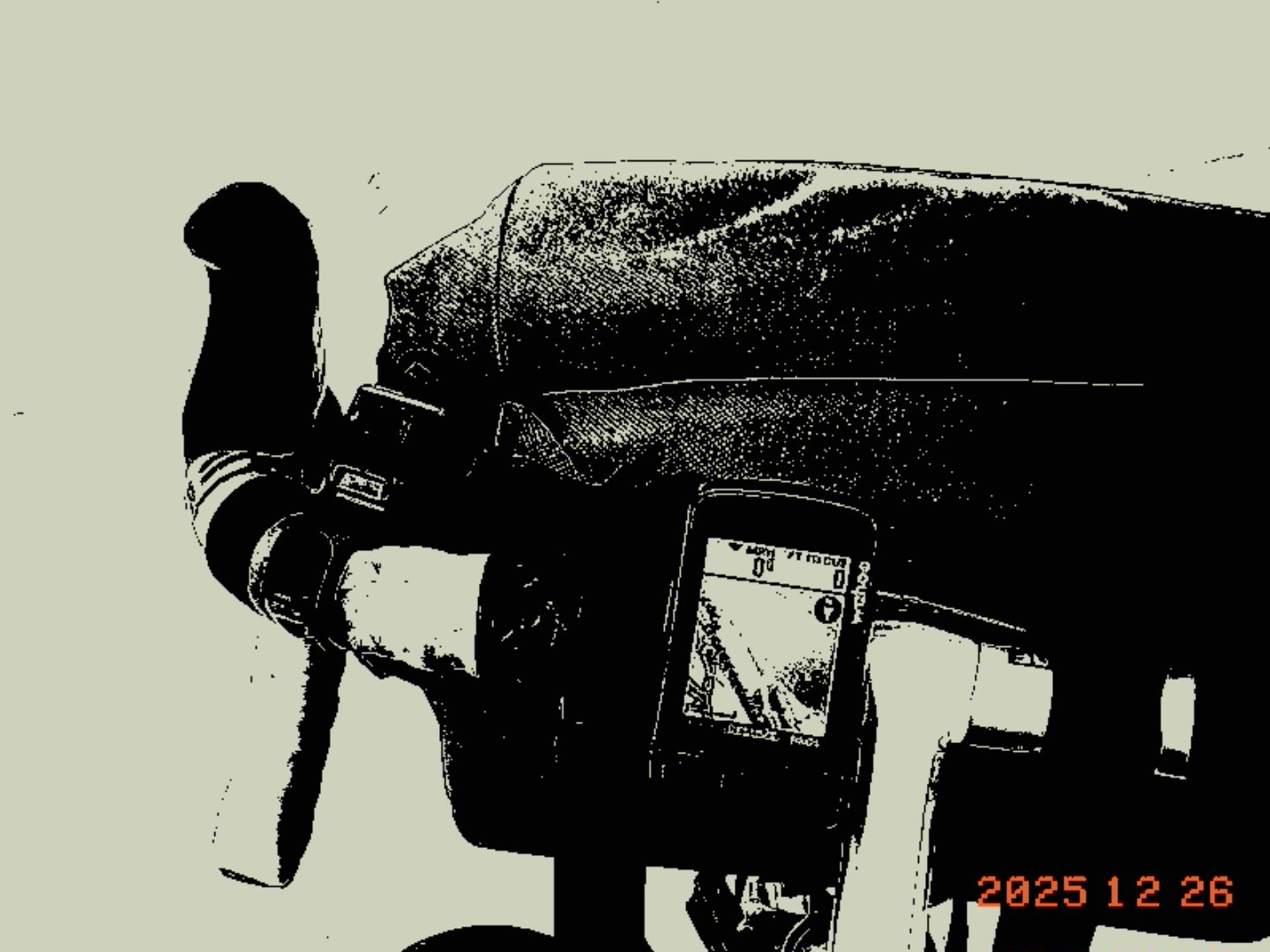
|
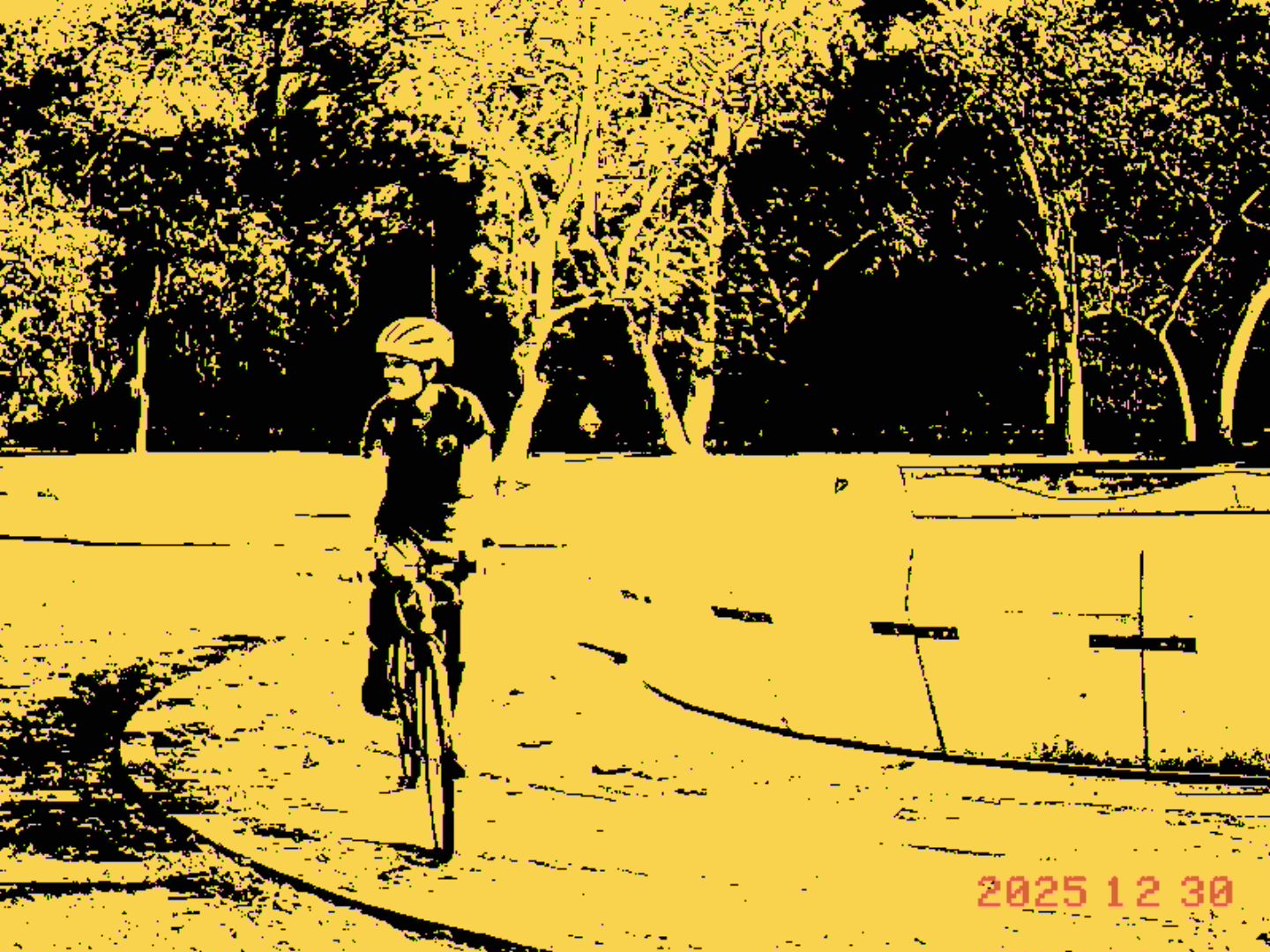
|

|
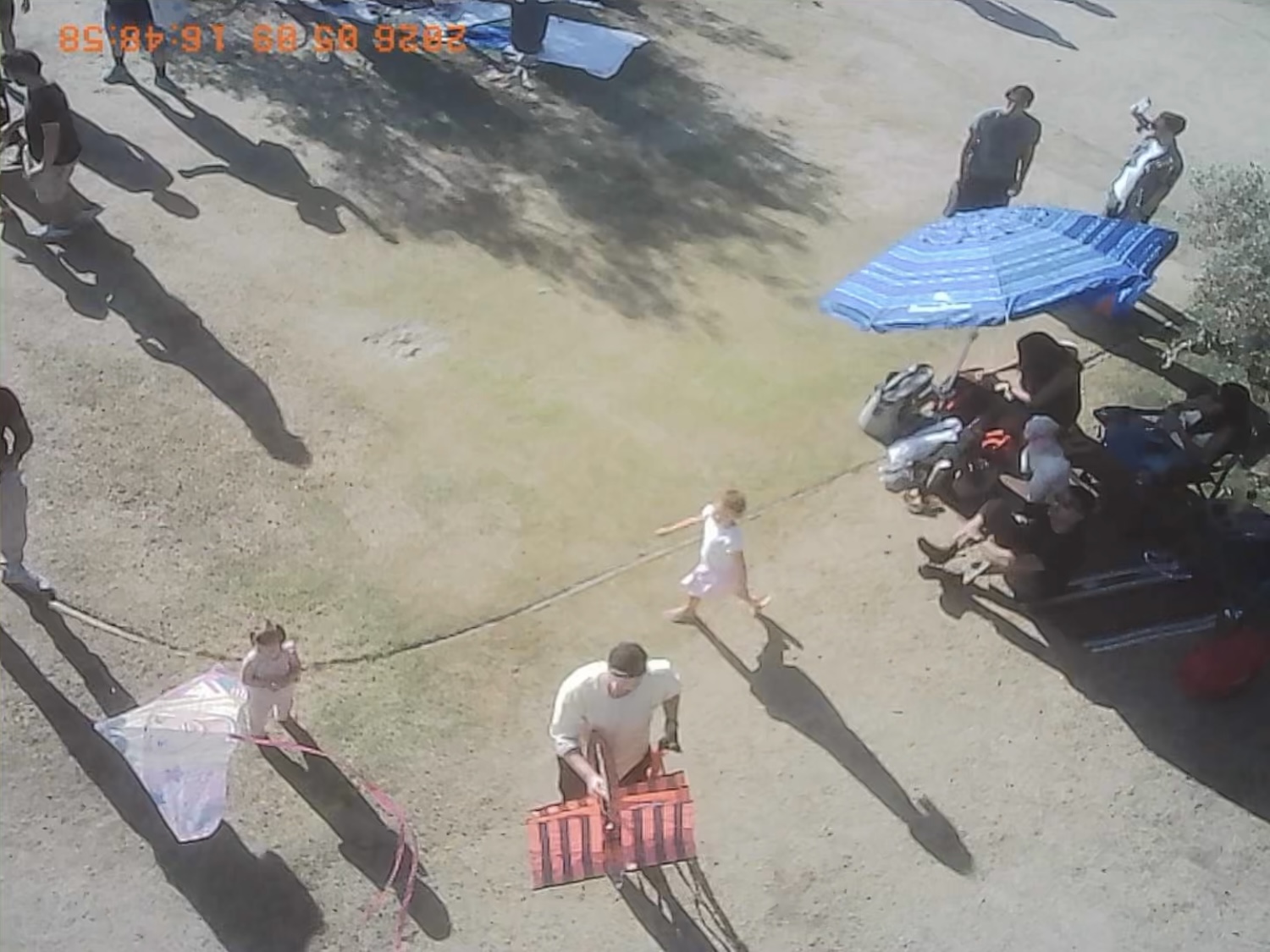
|
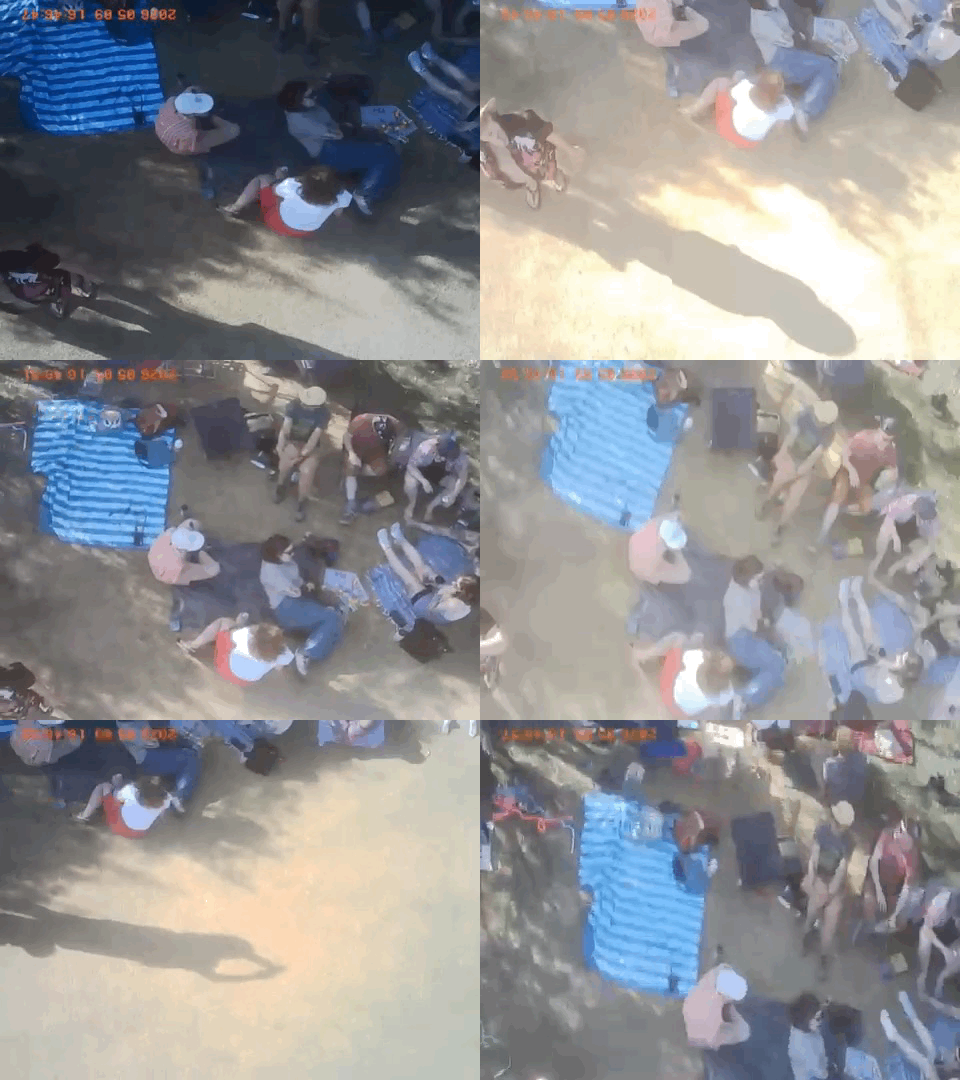
|
quad-frame film camera
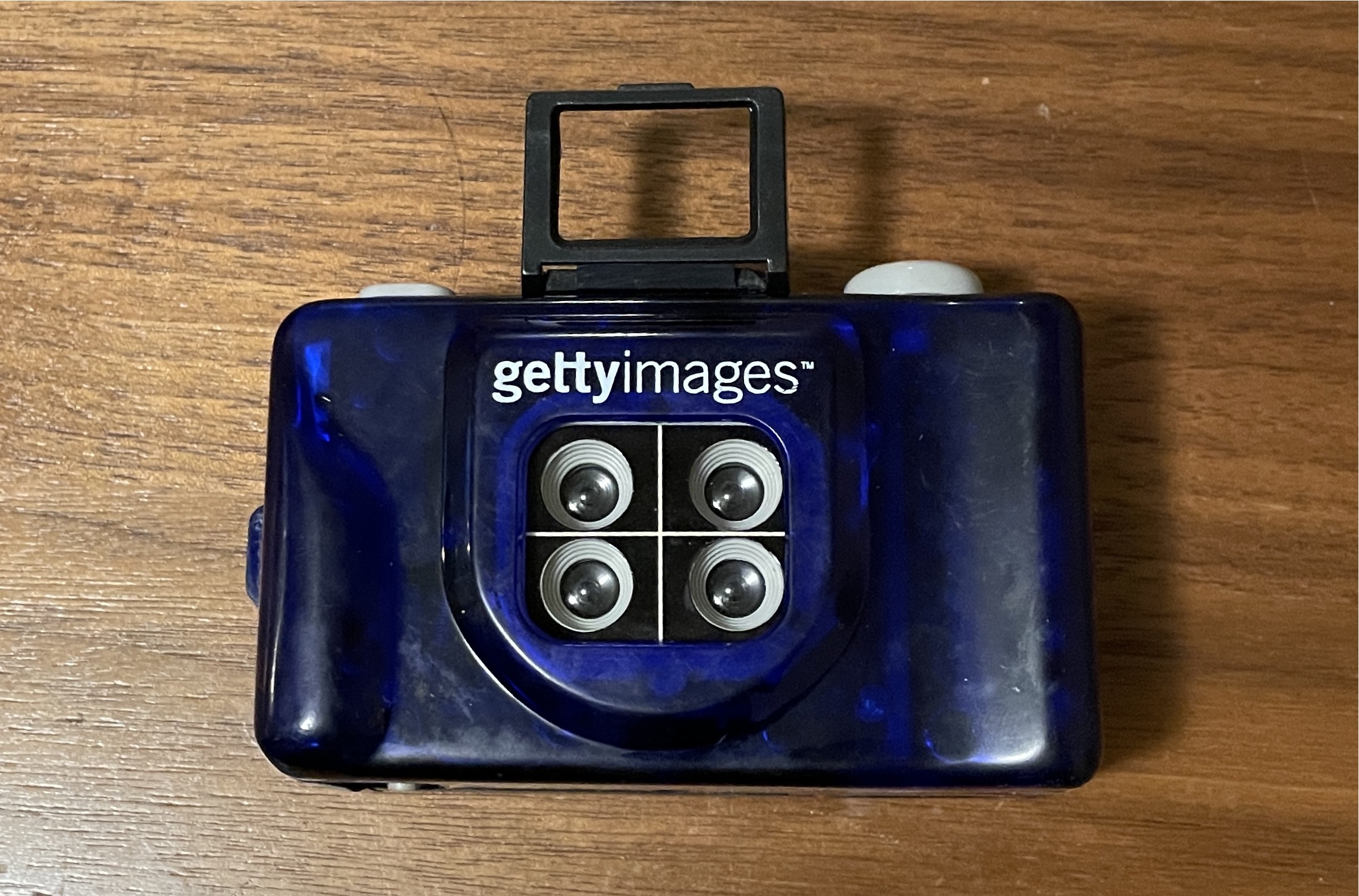
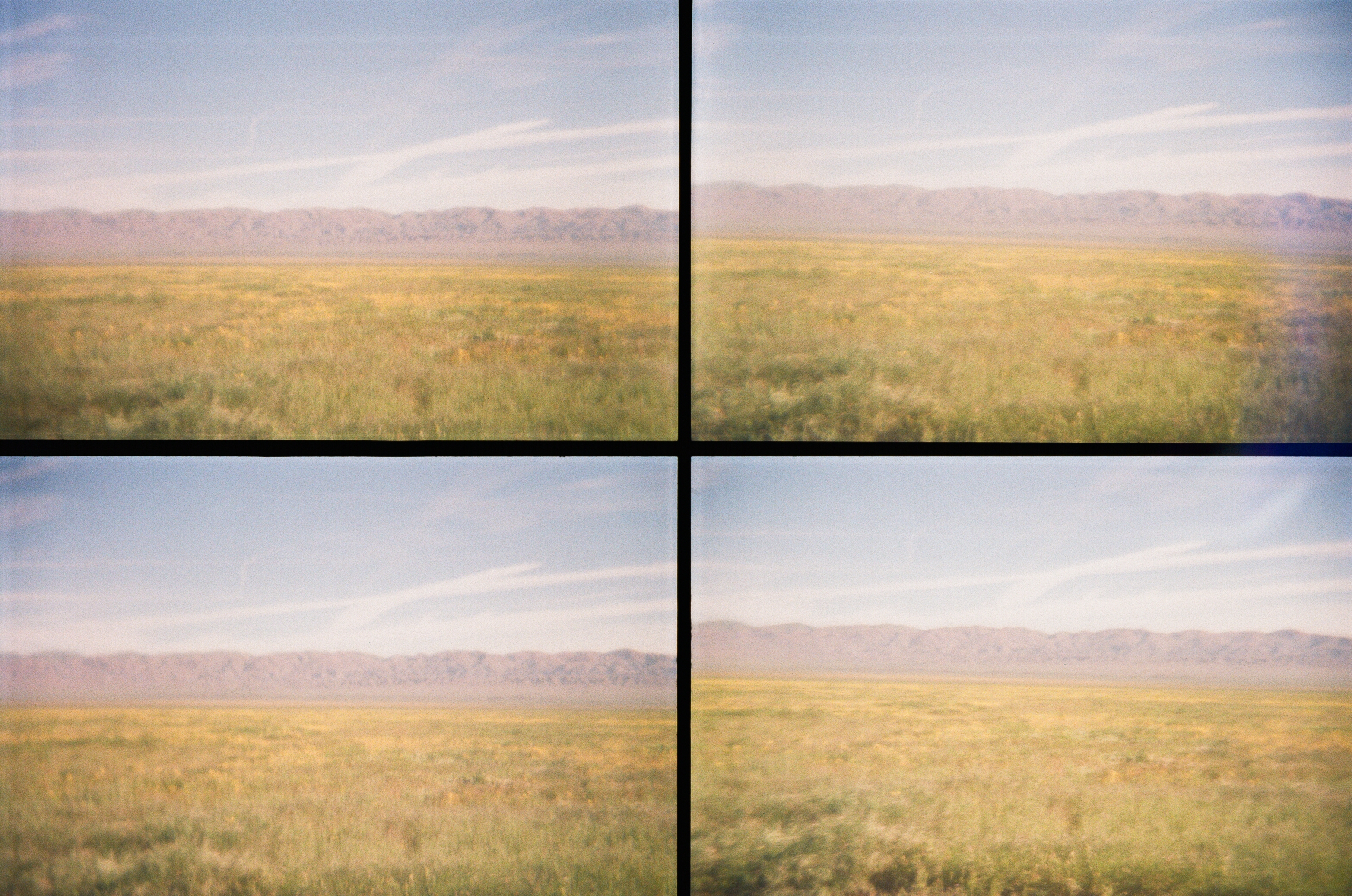
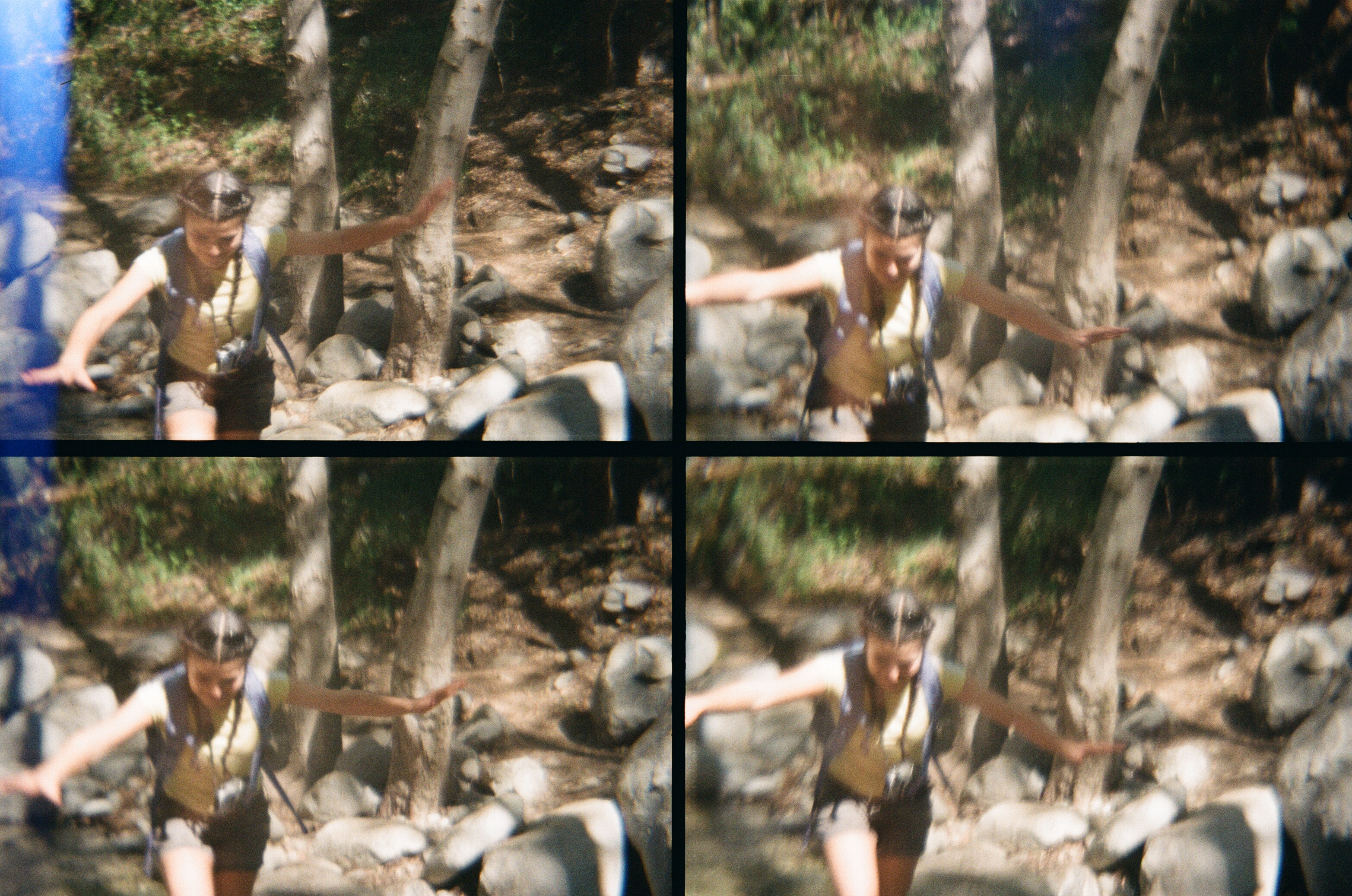
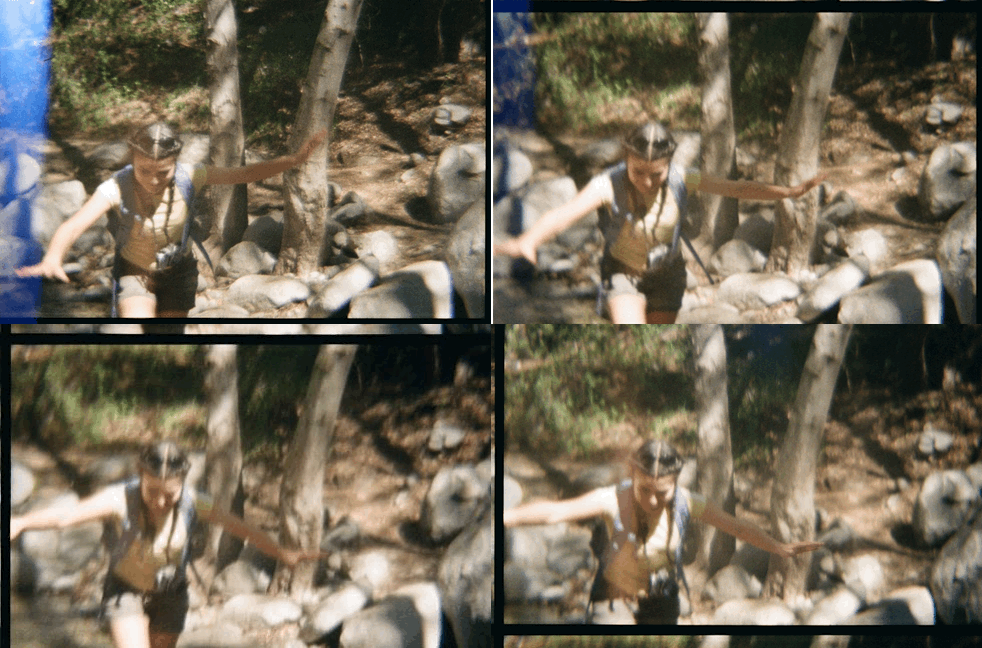
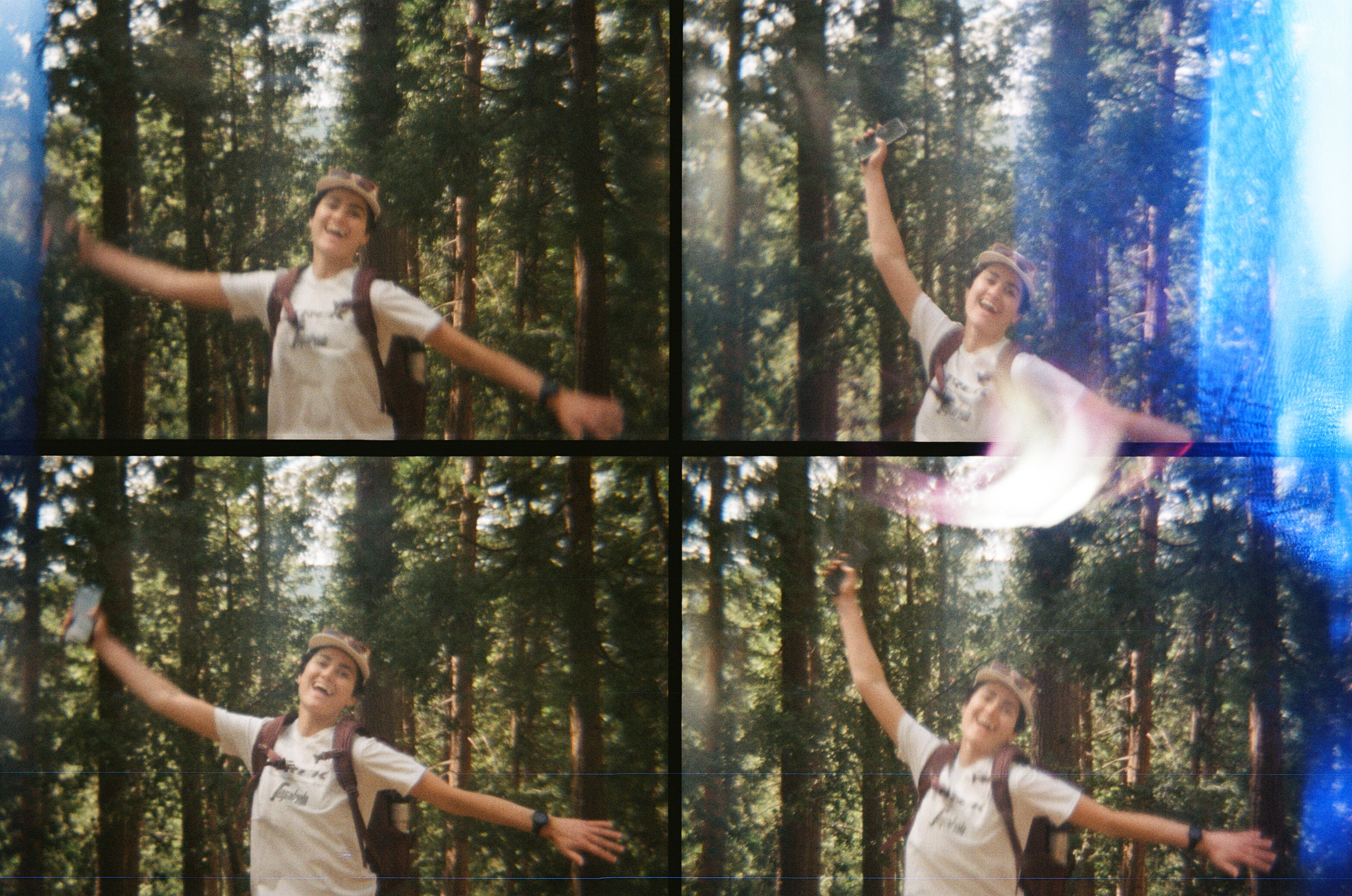
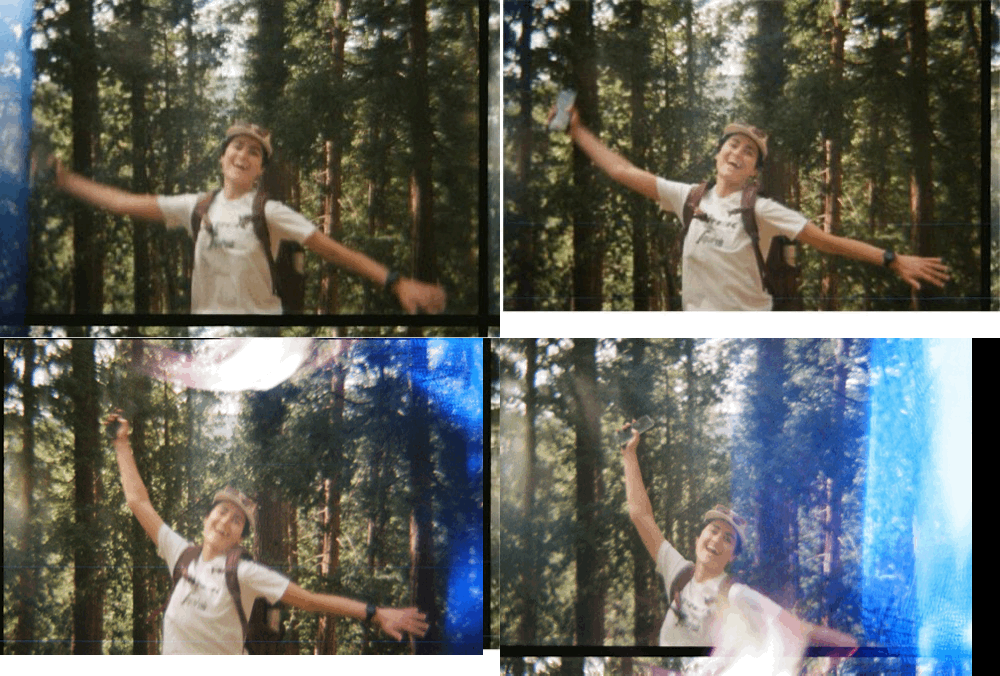
In March 2026 a local bike shop hosted a gear swap, and while I only went in looking for derailleurs, I left with a few more items, including this (free!) funny little four lens film camera. It took me a while to finish a roll, but I'm super happy with how the photos came out, especially considering I dropped the camera and damaged it near the end of the roll (but I have since repaired the damage I caused). My favorites are the frames with good movement, perfect for making tiny animations with!
|
|
|
|
|
|